AixMUN 2025

Aix MUN

Nov 21–23, 2025 Aix-en-Provence, France

Aix MUN

Conference

Aix-en-Provence, France·Europe

Nov 21–23, 2025

200 delegates expected

High school and university students

In English

How it went

4.6348 ratings from delegates
Academics
4.71
Logistics
4.60
Socials
4.56

About

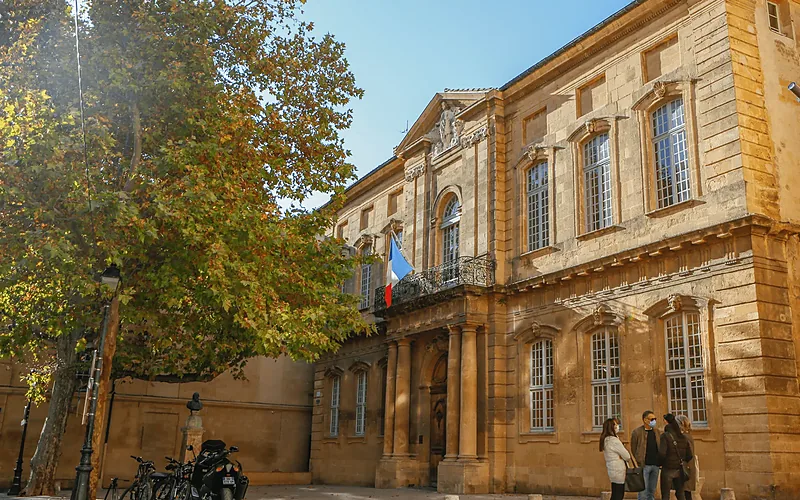
From November 21 to 23, 2025, AIX ONU is proud to present AIXMUN 2025, the annual Model United Nations conference hosted at Sciences Po Aix. AIXMUN is a simulation of United Nations assemblies which brings together students who are passionate about international relations, diplomacy, and debate.

Over the course of three days, delegates will represent different countries, engage in diplomatic negotiations, formulate policy resolutions, and debate pressing global issues in a structured, immersive environment. The conference aims to deepen participants’ understanding of international affairs, strengthen their public speaking, negotiation, and critical thinking skills, and foster cross-cultural exchange.

AIX ONU, the diplomatic student association of Sciences Po Aix, organizes monthly UN simulations, and AIXMUN is one of its flagship yearly events. Open to beginners as well as experienced delegates, AIXMUN offers multiple committees (some in English, others in French), diverse topics spanning security, human rights, environment, global governance, and more.

Participants will have the opportunity to prepare a country position paper, participate in formal committee sessions, negotiate and draft resolutions, engage with peers in social and networking events… and possibly receive recognition for outstanding performance !

AIXMUN 2025 promises an enriching experience for all attendees looking to explore diplomacy, broaden their global awareness, and practice leadership in a multicultural setting.

Committees

  • 25 countries
    1. Sub-topic 1: Strengthening collective defense and deterrence on NATO’s Eastern flank Debate: to what extent should NATO enhance its military posture (troop deployments, missile defense, joint exercises) in member states bordering Russia? Key issues: risks of escalation vs credibility of deterrence, burden-sharing among allies.
    2. Sub-topic 2: Rebuilding channels of dialogue and crisis management with Russia Debate: should NATO establish new communication mechanisms with Russia (hotlines, arms control talks, incident prevention agreements) while maintaining pressure? Key issues: preventing accidental escalation, defining the limits of diplomacy under current geopolitical tensions.

    • Alice Becker
    • Jannes Bossaert

    NATO

    Expert · English · 25 countries

    Topics

    1. Sub-topic 1: Strengthening collective defense and deterrence on NATO’s Eastern flank Debate: to what extent should NATO enhance its military posture (troop deployments, missile defense, joint exercises) in member states bordering Russia? Key issues: risks of escalation vs credibility of deterrence, burden-sharing among allies.
    2. Sub-topic 2: Rebuilding channels of dialogue and crisis management with Russia Debate: should NATO establish new communication mechanisms with Russia (hotlines, arms control talks, incident prevention agreements) while maintaining pressure? Key issues: preventing accidental escalation, defining the limits of diplomacy under current geopolitical tensions.

    About the committee

    ENGLISH COMMITTEE : Balancing deterrence and diplomacy: NATO’s role in managing relations with Russia

    Chairs

    Countries

    How this committee type works
  • 20 countries
    1. Sub-topic 1: Strengthening cross-border law enforcement cooperation and intelligence sharing Debate: how can INTERPOL and national governments coordinate better to track gang leaders, dismantle transnational criminal networks, and prevent recruitment across borders? Key issues: sovereignty vs international cooperation, use of INTERPOL Red Notices, protection of human rights in policing.
    2. Sub-topic 2: Addressing the socio-economic roots of gang resurgence Debate: to what extent should international cooperation also support prevention programs (education, jobs, reintegration of deportees) alongside police action? Key issues: balancing security measures with long-term development.
    • Antoine Babajko
    • Luce Ambroggi-Chazot

    Interpol

    Intermediate · English · 20 countries

    Topics

    1. Sub-topic 1: Strengthening cross-border law enforcement cooperation and intelligence sharing Debate: how can INTERPOL and national governments coordinate better to track gang leaders, dismantle transnational criminal networks, and prevent recruitment across borders? Key issues: sovereignty vs international cooperation, use of INTERPOL Red Notices, protection of human rights in policing.
    2. Sub-topic 2: Addressing the socio-economic roots of gang resurgence Debate: to what extent should international cooperation also support prevention programs (education, jobs, reintegration of deportees) alongside police action? Key issues: balancing security measures with long-term development.

    About the committee

    ENGLISH COMMITTEE : Strengthening international cooperation to counter the resurgence of violent gangs following mass deportations from the United States (MS-13 in El Salvador, Barrio 18 in Honduras)

    Chairs

    Countries

    How this committee type works
  • 21 countries
    1. Sub-topic 1: Burden-sharing and sustainable funding mechanisms How can host countries (often low-income states) be better supported by the international community? Debate: fair distribution of responsibility between host states, donor countries, and international organizations.
    2. Sub-topic 2: Protection of refugees’ rights in protracted displacement situations How to guarantee access to education, healthcare, and employment for refugees living in camps or urban areas for many years? Debate: integration vs temporary protection, and the role of NGOs such as Refugiaide in filling gaps.
    • Morgane Jehanno
    • Iness Bilad
    • Clémence Zagagnoni

    High Commissioner for Refugees

    Intermediate · English · 21 countries

    Topics

    1. Sub-topic 1: Burden-sharing and sustainable funding mechanisms How can host countries (often low-income states) be better supported by the international community? Debate: fair distribution of responsibility between host states, donor countries, and international organizations.
    2. Sub-topic 2: Protection of refugees’ rights in protracted displacement situations How to guarantee access to education, healthcare, and employment for refugees living in camps or urban areas for many years? Debate: integration vs temporary protection, and the role of NGOs such as Refugiaide in filling gaps.

    About the committee

    ENGLISH COMMITTEE : Enhancing international cooperation to respond to mass displacements caused by ongoing conflicts in Africa

    Chairs

    Countries

    How this committee type works
  • 19 countries
    1. Sub-topic 1: The legality and effectiveness of the “snapback” sanctions mechanism -Should the UN Security Council reaffirm, reform, or replace the automatic reimposition of sanctions if Iran is found in breach of the JCPOA? -Debate balance between enforcement credibility and the risk of isolating Iran further.
    2. Sub-topic 2: The role of regional powers and security guarantees in preventing nuclear escalation -How can the Security Council address the concerns of Middle Eastern states (Israel, Saudi Arabia, UAE, etc.) while preserving the principle of non-proliferation? -Debate: multilateral security arrangements vs unilateral deterrence strategies.
    • Anna Davenne
    • Apolline Khiat

    Security Council

    Expert · English · 19 countries

    Topics

    1. Sub-topic 1: The legality and effectiveness of the “snapback” sanctions mechanism -Should the UN Security Council reaffirm, reform, or replace the automatic reimposition of sanctions if Iran is found in breach of the JCPOA? -Debate balance between enforcement credibility and the risk of isolating Iran further.
    2. Sub-topic 2: The role of regional powers and security guarantees in preventing nuclear escalation -How can the Security Council address the concerns of Middle Eastern states (Israel, Saudi Arabia, UAE, etc.) while preserving the principle of non-proliferation? -Debate: multilateral security arrangements vs unilateral deterrence strategies.

    About the committee

    ENGLISH COMMITTEE : Addressing the challenges of nuclear non-proliferation in the Middle East: The future of the JCPOA

    Chairs

    Countries

    How this committee type works
  • 20 countries
    1. Sous-sujet 1 : Prévenir le pillage et le trafic illicite de biens culturels Débat : comment renforcer la coopération internationale (Interpol, douanes, maisons de vente, musées) pour empêcher la sortie illégale d’objets archéologiques et artistiques des zones de conflit ? Questions : mécanismes de restitution ? Sanctions contre les acteurs complices du trafic ?
    2. Sous-sujet 2 : Assurer la protection physique et numérique des sites et monuments Débat : quelles stratégies mettre en place pour protéger ou restaurer les monuments menacés (abris, surveillance, numérisation 3D, financement d’urgence) ? Questions : quelle responsabilité pour les États concernés vs la communauté internationale ? Quelle place pour les ONG et les acteurs locaux ?
    • Emmylou Fertveziant
    • Hugo Blanc

    UNESCO

    Intermediate · English · 20 countries

    Topics

    1. Sous-sujet 1 : Prévenir le pillage et le trafic illicite de biens culturels Débat : comment renforcer la coopération internationale (Interpol, douanes, maisons de vente, musées) pour empêcher la sortie illégale d’objets archéologiques et artistiques des zones de conflit ? Questions : mécanismes de restitution ? Sanctions contre les acteurs complices du trafic ?
    2. Sous-sujet 2 : Assurer la protection physique et numérique des sites et monuments Débat : quelles stratégies mettre en place pour protéger ou restaurer les monuments menacés (abris, surveillance, numérisation 3D, financement d’urgence) ? Questions : quelle responsabilité pour les États concernés vs la communauté internationale ? Quelle place pour les ONG et les acteurs locaux ?

    About the committee

    FRENCH COMMITTEE : Renforcer la coopération internationale pour la protection du patrimoine culturel en période de conflit armé (Ukraine, Mali, Syrie, Yémen)

    Chairs

    Countries

    How this committee type works
  • 27 countries
    1. Sous-sujet 1 : Le rôle des pays développés dans le financement climatique Débat : comment garantir que les pays du Nord respectent leurs engagements (ex. 100 milliards USD/an) pour soutenir l’adaptation et l’atténuation dans le Sud ? Questions : mécanismes contraignants ou volontaires ? Contributions publiques vs privées ?
    2. Sous-sujet 2 : L’utilisation des fonds climatiques par les pays du Sud Débat : quelles priorités de financement (adaptation, énergies renouvelables, infrastructures résilientes, agriculture) ? Questions : comment éviter la corruption et assurer que l’argent atteigne les communautés locales ?
    • Tydian Grégoire
    • Thaïs Granier-Alary
    • Suzanne Cailleux

    COP

    Beginner · English · 27 countries

    Topics

    1. Sous-sujet 1 : Le rôle des pays développés dans le financement climatique Débat : comment garantir que les pays du Nord respectent leurs engagements (ex. 100 milliards USD/an) pour soutenir l’adaptation et l’atténuation dans le Sud ? Questions : mécanismes contraignants ou volontaires ? Contributions publiques vs privées ?
    2. Sous-sujet 2 : L’utilisation des fonds climatiques par les pays du Sud Débat : quelles priorités de financement (adaptation, énergies renouvelables, infrastructures résilientes, agriculture) ? Questions : comment éviter la corruption et assurer que l’argent atteigne les communautés locales ?

    About the committee

    FRENCH COMMITTEE : Renforcer les mécanismes de financement climatique pour soutenir les pays du Sud

    Chairs

    Countries

  • 15 countries
    1. Sub-topic 1: Reducing maternal mortality through universal healthcare coverage Debate: how can the international community support countries in improving access to safe childbirth, trained medical staff, and essential medicines? Key issues: funding, rural vs urban healthcare gaps, role of international aid.
    2. Sub-topic 2: Overcoming social and cultural barriers to reproductive health services Debate: how to address stigma, misinformation, and restrictive laws that prevent women and girls from accessing contraception, family planning, and reproductive education? Key issues: balancing cultural traditions with universal human rights.

    • Madeleine Laugier
    • Lola Biascamano

    UN Women

    Beginner · English · 15 countries

    Topics

    1. Sub-topic 1: Reducing maternal mortality through universal healthcare coverage Debate: how can the international community support countries in improving access to safe childbirth, trained medical staff, and essential medicines? Key issues: funding, rural vs urban healthcare gaps, role of international aid.
    2. Sub-topic 2: Overcoming social and cultural barriers to reproductive health services Debate: how to address stigma, misinformation, and restrictive laws that prevent women and girls from accessing contraception, family planning, and reproductive education? Key issues: balancing cultural traditions with universal human rights.

    About the committee

    ENGLISH COMMITTEE : Promoting international cooperation to guarantee universal access to reproductive and maternal healthcare

    Chairs

    Countries

    How this committee type works

Organizers

Adèle Puccio
Secretary-General
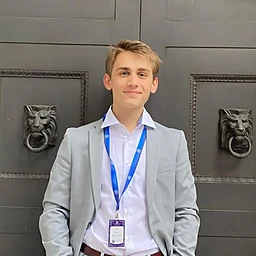
Anna Davenne
Deputy-Secretary General
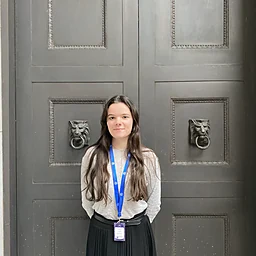
Apolline Khiat
Under-Secretary-General
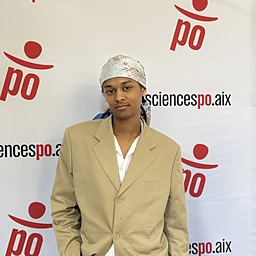
lilou galan
Secretary-General
Tydian Grégoire
Under-Secretary-General

More MUN conferences

ConferencesFranceAixMUN 2025