About
The authentic WHO experience in Lisbon
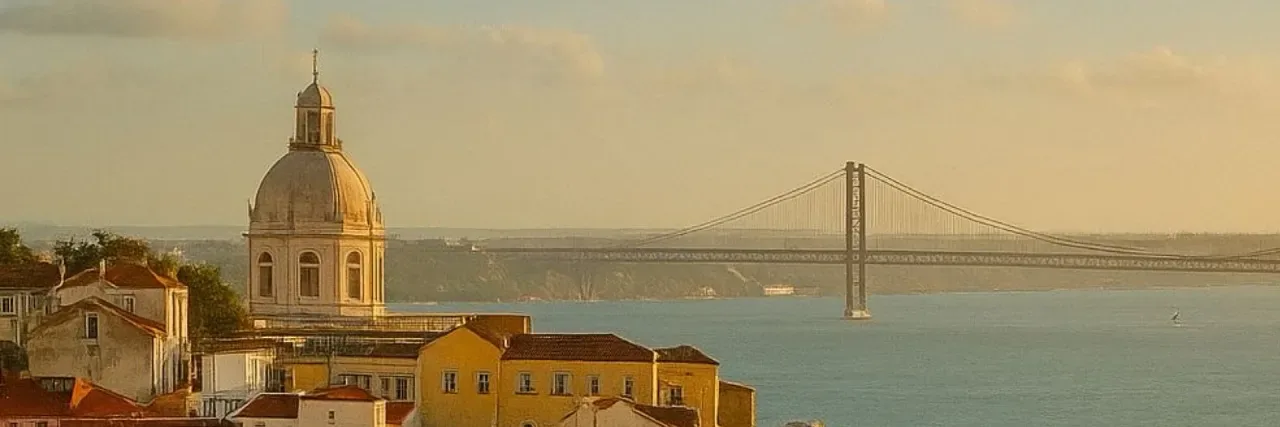
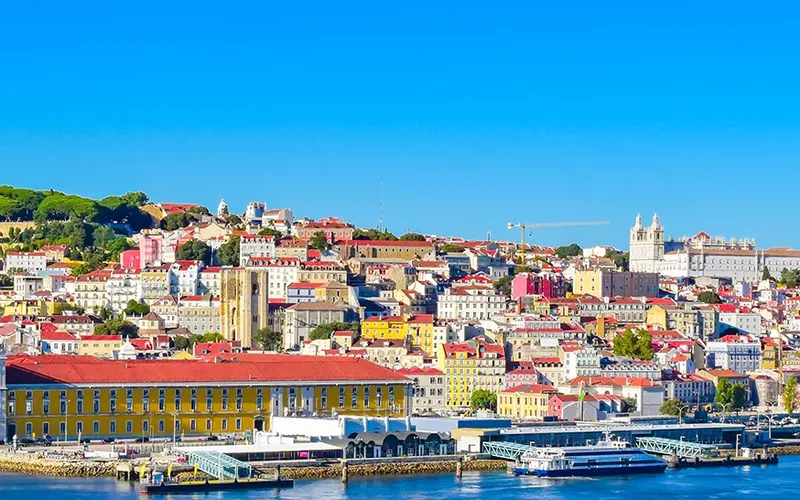
The Lisbon-based CMS Model WHO Society will host the second edition of CMS Model WHO in collaboration with the United Nations Association Portugal, and the World Health Organization Regional Office for Europe, at Católica Medical School from 26–28 June 2026 in Lisbon.
CMS Model WHO 2026 offers a highly accurate simulation of the World Health Assembly, bringing together university students from around the world to engage in global health diplomacy through the official United Nations consensus-based approach. Our partnership with United Nations Association Portugal, a member of the World Federation of United Nations Associations, ensures the adoption of authentic UN and World Health Organization (WHO) protocols and Rules of Procedure. Participants will also have the unique opportunity to see their work resonate beyond the simulation, with selected outputs shared directly with stakeholders within the WHO ecosystem.
This year’s conference theme, “Reframing the Global Response to Substance Use,” reflects one of the most pressing and complex public health challenges of our time. Substance use remains a leading cause of preventable mortality and societal harm, with alcohol alone responsible for approximately 3 million deaths annually worldwide, while the rapid proliferation of synthetic drugs continues to reshape global drug markets, driving overdose deaths and challenging regulatory and health systems. Within the European Region, these challenges are particularly acute, requiring evidence-based, coordinated, and forward-looking responses grounded in both public health and human rights.
To address this dual burden, the conference will feature two specialized WHO committees:
WHO - Europe: Strengthening Health Systems for Alcohol Use Prevention, Treatment, and Recovery — in collaboration with the WHO Europe Evidence into Action on Alcohol (EVID-ACTION) Programme, co-funded by the European Union, this committee will focus on translating evidence into policy and strengthening health systems across the European Region.
WHO - Crisis: Countering the Rise of Synthetic Drugs - Public Health Emergency of International Concern — operating in a dynamic, fast-paced setting, this committee will simulate real-time global health emergencies linked to synthetic drugs, challenging delegates to respond to rapidly evolving scenarios, coordinate international action, and make high-stakes policy decisions under pressure.
CMS Model WHO provides students with a unique opportunity to understand the work of the World Health Organizationwhile developing core values essential to global health leadership, including human rights advocacy, diplomacy, collaboration, compassion, integrity, ethical responsibility, and the promotion of peace and professionalism in an increasingly complex world.
We look forward to welcoming you to Lisbon 🇵🇹🇺🇳
CMS Model WHO 2026 — Official Schedule 📍 Católica Medical School, Lisbon, Portugal | 26–28 June 2026
DAY 1 — Friday, 26 June 2026 Arrival, Opening & First Committee Session
- 13:00–14:00 — Check-in & Registration (Main Entrance / Registration Desk)
- 14:00–15:00 — Opening Ceremony (Main Auditorium)
- 15:00–15:15 — Transition to Committees
- 15:15–17:45 — Session I: Committee Work Begins — Roll Call, Setting Agenda & Initial Debate (Committee Rooms)
- 17:45–18:00 — Short Break (Common Areas)
- 18:00–18:30 — Wrap-up & Announcements (Committee Rooms)
- 20:00-00:00 — Social I Sunset Party
DAY 2 — Saturday, 27 June 2026 Full Committee Work & Core Debate Day
- 09:30–11:30 — Session II: Formal Debate (Committee Rooms)
- 11:30–12:00 — Coffee Break (Common Area)
- 12:00–13:30 — Session III: Moderated & Unmoderated Caucus (Committee Rooms)
- 13:30–15:00 — Lunch Break (Dining Area)
- 15:00–16:30 — Session IV: Draft Resolution Work (Committee Rooms)
- 16:30–17:00 — Coffee Break (Common Area)
- 17:00–18:30 — Session V: Resolution Finalization & Debate (Committee Rooms)
- 18:30–19:00 — Daily Closing & Feedback (Committee Rooms)
- 20:00-00:00 — Social II Gala Night
DAY 3 — Sunday, 28 June 2026 Final Debate & Closing
- 10:00–11:30 — Session VI: Final Debate (Committee Rooms)
- 11:30–12:00 — Short Break (Common Area)
- 12:00–13:00 — Session VII: Voting Procedure (Committee Rooms)
- 13:00–14:00 — Lunch Break (Dining Area)
- 15:00–16:30 — Closing Ceremony & Awards (Main Auditorium)
- 17:30-20:00 - Social III Beach Breeze Social
Committees
- Strengthening Health Systems for Alcohol Use Prevention, Treatment, and Recovery
 Lorena González Rivas
 Liv Grafe
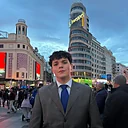 Ángel Garrote Domínguez
- Countering the Rise of Synthetic Drugs - Public Health Emergency of International Concern
 Cassandra Rohleder
 Ricardo Peres
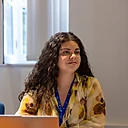 Julia Rosales Medina
Past editions
Partner conferences
 MDS 2026
 SevIMUN 2025
 MaltMUN 2026
Organizers
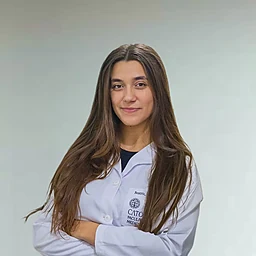
Beatriz Matias
Vice Director General

Francisco Afonso
Marketing
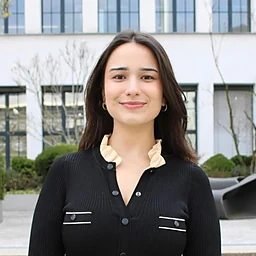
Maria Manuel Gonçalves
Finances
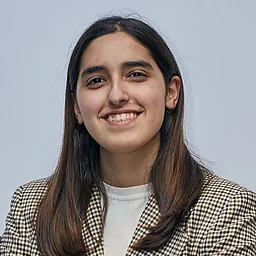
Sofia Bernardes
Director General
More MUN conferences
PortugalMUN conferences in Portugal EuropeMUN conferences in Europe June 2026MUN conferences in June 2026 University MUNMUN conferences for university students
ConferencesPortugalCMS Model WHO 2026