IPMUN 2024

Independent Prague Model United Nations

Dec 6–9, 2024 Prague, Czech Republic

Independent Prague Model United Nations

Conference

Dec 6–9, 2024

166 delegates expected

High school students

In English

Applications

Closed
  • DelegatesJun 18 – Dec 5, 2024
  • Faculty advisorsOct 24 – Dec 5, 2024

About

Building bridges to a more peaceful world.

Registration takes place on our website (rightmost icon under “Apply Now!”)

Delegates pay a registration fee of 1900CZK ~75€

If you're seeking a unique and exhilarating Model United Nations experience this winter, look no further than IPMUN hosted in Prague! We are independent, meaning we do not tie ourselves on any school like other MUNs. Thanks to this, IPMUN combines the talent from 9 institutions, bringing together a diverse group of passionate and dedicated individuals. Our organization team comprises members who have already been a part of other MUN conferences in the past. With this, combined with the experience from past IPMUN conferences and experience of people organizing it, we are able to provide a wealth of experience and an exceptional conference. 

The fact that IPMUN is led by such a diverse group of students means it is a genuinely collaborative effort providing a special viewpoint on global issues. Students work together to plan and organize the conference, gaining valuable skills in leadership, communication, and organization along the process, fostering an environment of teamwork and partnership, which is after all what MUN is all about.

We would also hope to say that this spirit is transferable to you. Participants of IPMUN can of course expect to develop their public speaking, negotiating, and diplomatic abilities. However uniquely at IPMUN can they also acquire the indispensable abilities of cooperation and teamwork because our team is a testament to partnership being the winning strategy.

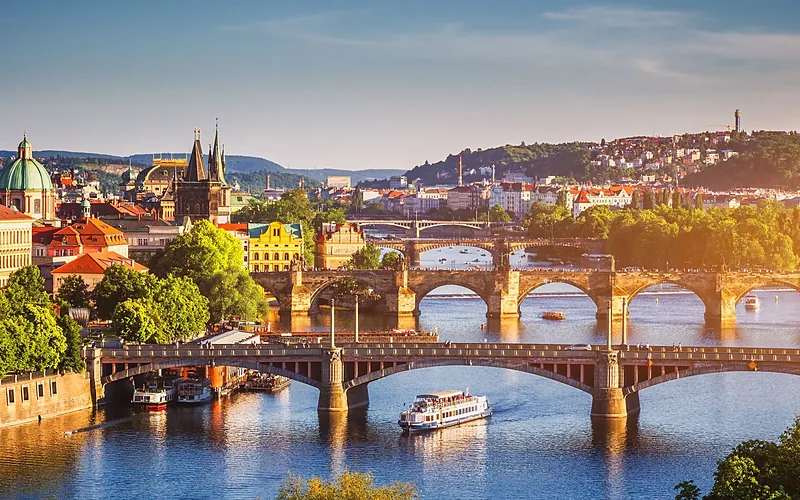
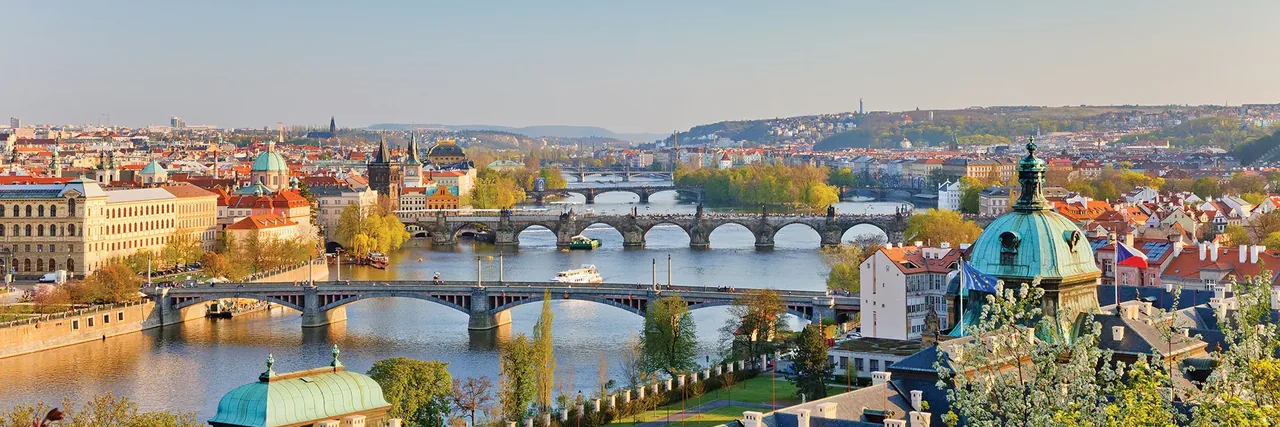
The main part of IPMUN will be, like last year, held at the prestigious Charles University, one of Europe's oldest and most renowned institutions. Based in Prague's historic city center, the university provides a beautiful and inspiring setting for the conference, with ample opportunities for exploring the city and its rich cultural heritage.

We take pride in creating a diverse and inclusive environment where every delegate has a chance to express their opinions and ideas. Our goal is to provide an open forum for innovative solutions to global challenges, where delegates can learn from each other and form lasting connections.

So, head over to out website and come and join us for a fruitful MUN experience at the beautiful Charles University in the winter wonderland of Prague!

Committees

  • 15 countries
    1. Dealing with the threat posed by the Houthi militant group to global stability and assessing ways to end the conflict in Yemen

    Security Council

    Expert · English · 15 countries

    Topic

    Dealing with the threat posed by the Houthi militant group to global stability and assessing ways to end the conflict in Yemen

    About the committee

    The Houthi paramilitary and terror group has become a major global nuisance by targeting trade, undersea cabels and other critical infrastructure in and around the Arabian peninsular. As such, they pose a significant threat to global communications, trade network and stability in general. Moreover, the group has become a major destabilizing factor in the Arabian peninsular and, especially, in Yemen, which has been ravaged by civil war and true peace is nowhere in sight. Unfortunately, the problem is not as straightforward as it might have been several years ago, when vast majority of global powers deplored terrorism, no questions asked. Currently mainly due to the Israeli-Palestinian conflict heating up again, the major global powers are split on either side, since the Houthis claim that their attacks are in support of Palestine and targeted on the friends of Israel. Such claims may seem laughable to some, yet many others take them seriously. Thus, the United Nations Security Council is the appropriate forum, to settle this dispute once and for all and also to find binding and final solutions for the Houthi threat to the world.

    Countries

    How this committee type works
  • 30 countries
    1. Addressing the widespread abusive treatment of prisoners of war and renewing efforts to ensure their humane treatment and well-being
    2. Addressing the inhumane treatment of employees in Gulf countries in the so-called Kafala system

    Human Rights Council

    English · 30 countries

    Topics

    1. Addressing the widespread abusive treatment of prisoners of war and renewing efforts to ensure their humane treatment and well-being
    2. Addressing the inhumane treatment of employees in Gulf countries in the so-called Kafala system

    About the committee

    The protection of prisoners of war has been enshrined within the Geneva conventions for decades as a key legal measure to allow at least a bit of humanity to prevail within brutal military conflicts. Yet, in the present days, it seems that the Geneva conventions are non-existent. In latest conflicts, the treatment of prisoners of war has been appalling and all sides are guilty to some degree. It is, therefore, necessary for the Member States of the United Nations Human Rights Council to convene upon this topic and ensure, that prisoners of war are treated humanely and in accordance with their legal rights. Furthermore, the Member States should, during this meeting, make a concerted effort to strengthen and possibly update the Geneva conventions to better reflect the current situation, maybe even conclude new multilateral treaties, which shall be binding to all parties. The Kafala system is, in its origins, and ancient system for adoption in accordance with the islamic law. Yet, in modern days, the term has been expanded to also include sponsorships and patronages between a citizen (mainly of the Persian Gulf states) and a foreign migrant worker. This partnership is based on the sponsor/patron taking care of the foreign worker´s visa, immigration and legal status within the hosting country. While the worker seemingly benefits from this arrangement, and some indeed may have, there are several major problems with this system. The patrons/sponsors are usually also the workers´ employers and thus they have very little incentive to allow the worker to leave back home. Further, foreign workers have very little rights under the islamic law and thus the conditions they are kept in are usually appalling, since their patrons have no incentive to spend money for the workers´ benefit. Finally, while taking care of their visa and legal status, the patrons or sponsors often take the workers´ passports and do not return them back, thus basically keeping the workers in slavery, as they cannot leave the country, have to work in terrible conditions and have very little rights. Yet, not all is lost, as in some of the guilty states efforts are ongoing to legally improve the workers´ standing and enshrine their rights in law. Yet, such efforts are, for now, sparse and it is necessary to further encourage them by convening the Human Rights Council to address this issue.

    Countries

    How this committee type works
  • 24 countries
    1. Addressing the territorial dispute over the region of Kashmir
    2. Reinforcement of the non-proliferation treaty and renewed nuclear disarmament efforts

    Special Political and Decolonisation Committee

    English · 24 countries

    Topics

    1. Addressing the territorial dispute over the region of Kashmir
    2. Reinforcement of the non-proliferation treaty and renewed nuclear disarmament efforts

    About the committee

    Beginning with the partition of British India in 1947, the Kashmir region, in the northern part of the Indian subcontinent, had been a long-standing point of contention between India and Pakistan. The territorial dispute has led to multiple wars, with both countries having different reasons to claim the territory. Whilst India views Kashmir as rightfully theirs due to it being an integral part of its history, Pakistan argues that the people of Kashmir should have the right to self-determination, even often arguing for a plebiscite. It is up to the delegates of the Special Political and Decolonization committee to address this issue, and decide. Given the likely proliferation of nuclear weapons in Iran, Israel, Belarus, and the ongoing development of such weapons by India, Pakistan, and North Korea, alongside Poland's expressed interest in hosting foreign nuclear weapons, the efficacy of the original non-proliferation treaty is diminishing. It is therefore imperative that the delegates of the Special Political and Decolonization committee, revisit the original non-proliferation treaty and address how to enforce nuclear disarmament efforts.

    Countries

    How this committee type works
  • 25 countries
    1. Destruction of world heritage sites during both armed conflicts and through other means as well as ensuring their accessibility to all people
    2. Ensuring better accessibility of and safety for aid workers in conflict areas

    Social Development Council

    English · 25 countries

    Topics

    1. Destruction of world heritage sites during both armed conflicts and through other means as well as ensuring their accessibility to all people
    2. Ensuring better accessibility of and safety for aid workers in conflict areas

    About the committee

    The global heritage that World Heritage Sites represent is under significant threat from armed conflicts and other destructive forces such as environmental degradation and irresponsible urbanization. This topic challenges delegates to explore robust protective measures and international cooperation. The debate will delve into innovative strategies for the prevention, rapid response, and recovery of these cultural landmarks. Delegates are encouraged to consider the delicate balance between modern development and heritage preservation, making this issue both pressing and complex. Humanitarian crises in conflict zones highlight the critical need for ensuring the safety and accessibility of aid workers. This topic is vital for maintaining humanitarian aid flows and protecting those who deliver essential services under extreme conditions. Delegates will explore the development of comprehensive safety protocols, the potential for technology to enhance operational effectiveness, and the ethical dimensions of negotiations with armed groups. This discussion is not only timely but also a test of international solidarity and practical diplomacy.

    Countries

  • 25 countries
    1. Addressing the ongoing crisis of desertification mainly in central Asia, Sahel and Amazonas regions
    2. Assessing ways to achieve global carbon neutrality before 2100 and devising binding legal measures to enforce this goal including focus on removing fraudulent carbon recapture schemes

    UNFCCC COP

    English · 25 countries

    Topics

    1. Addressing the ongoing crisis of desertification mainly in central Asia, Sahel and Amazonas regions
    2. Assessing ways to achieve global carbon neutrality before 2100 and devising binding legal measures to enforce this goal including focus on removing fraudulent carbon recapture schemes

    About the committee

    The threat of desertification is a tremendous problem that greatly impacts environmental sustainability and the socioeconomic well-being of areas like Sahel, Amazonas and central Asia. Desertification is driven by unplanned agriculture, climate change and the destruction of natural forests. This leads to the poor quality of agricultural land, limited variability of species and the increase of ecological threats. Within regions such as Central Asia's Aral Sea vicinity, this expansion has displaced communities and caused the agricultural output to drop significantly. Growing desert in the Sahel region only aggravates the shortage of food, which drives most of the resource-based conflicts. Furthermore, land misuse which has a negative effect on the world's largest rainforests such as the Amazon, damages people's lives around the area as well as influencing the weather circles globally. Managing this difficult situation demands a collaborative effort of the world nations and strategies to be put forth by experts from different socio-economical backgrounds. Soil conservation methods should be supported for the purpose of adopting green and sustainable technologies, such as planting trees for conservation of the environment as well as enhancing resilience to climatic changes. Additionally, collaboration and investment in community-led adaptation strategies and capacity- building programs is essential in mitigating the effects of desertification and foster long-term sustainability in affected regions. Nations should address this issue and create a path towards the goal of having comprehensive resolutions as well as saving the lives of people worldwide. The quest for achieving global carbon neutrality by 2100 is a necessity for the sustainable survival of our planet. Creation of greenhouse gas emissions, mainly from the use of fossil fuels, is recognised to be the main cause behind global warming which threatens the biosphere and humans' quality of life. For the purpose of achieving the ambitious target, it is essential to devise practical legal measures that enables countries to be accountable for not reducing emissions and not mitigating their carbon footprint. Furthermore, the problem of fraudulent carbon recapture schemes must be addressed to retain credibility of carbon offsetting undertakings. Furthermore, achieving worldwide carbon neutrality requires collective action and commitment from all nations. Despite this, differing concerns of the countries can indeed sometimes hinder the progress. That is why, UN needs to function as a powerful intermediary body in the diplomatic processes to ensure cooperation among nations to overcome these obstacles. The urgency of addressing climate change demands decisive action. Having dialogue is the step to foster collaboration and methodically craft solutions to ensure carbon neutrality and combating fraudulent carbon recapture schemes. Only through joint works will it be possible to make the world sustainable for our successors.

    Countries

  • 9 countries
    1. The trial of Ratko Mladić

    International Criminal Court

    Expert · English · 9 countries

    Topic

    The trial of Ratko Mladić

    About the committee

    ICC offers great opportunity to any delegates who are more interested in law than international politics. It is also probably the most challenging committee for the most experienced. Trial of Ratko Mladić is an interesting case as there is not a particular scarcity of evidence (unlike many of the ICC´s African trials) and there are also a plethora of witnesses and people who filed for damages. At the same time Mladić was not in the worst position as a defendant, so proving his guilt beyond a reasonable doubt shall not be easy. The proceedings of the ICC shall be to the highest degree possible in accordance with reality and all participants will be expected to prepare realistic documents, speeches, submission of evidence etc., witnesses and victims will be provided, as well as some evidence material. Additionally, the ICC will work in cooperation with the Historical Council when necessary, and may deliver separate rulings on the Yugoslav civil war.

    Countries

    How this committee type works
  • 23 countries
    1. Devising measures to further promote and facilitate new means supporting informed purchasing decisions made by the end consumer
    2. Protectionism vs globalism with regards to strategic/nascent industries and decentralization of production

    World Trade Organization

    English · 23 countries

    Topics

    1. Devising measures to further promote and facilitate new means supporting informed purchasing decisions made by the end consumer
    2. Protectionism vs globalism with regards to strategic/nascent industries and decentralization of production

    About the committee

    The topic at hand involves creating tools to empower the consumers to make well-informed purchasing decisions. It is of paramount importance that the consumers have free access to the correct and detailed information in the current complicated market situation. This would make the market more transparent and help consumers in making choices that align with their preferences and values. Moreover, among technological innovations and the ever-increasing number of online platforms, consumers more than ever experience a flood of information, so it is challenging to distinguish reliable sources and evaluate products objectively. Consequently, measures by the government and regulators should be put in-place to foster transparency, maximise consumer education, and offer information about products that people can rely on. Through the identification and the mitigation of these challenges, we can contribute in creating a market that is more competitive, inclusive and that leads to the more efficient market environment. Through proactive initiatives, we can create a culture in which consumers can better navigate the increasingly complicated shopping environment. The topic addresses the ongoing debate surrounding economic policies in the context of recent global challenges. With the world seeing unprecedented disasters, certain economic blocs have prioritised the policy of protectionism with the aim to localise essential industries and production. Nonetheless, the globe trade structure is still heavily dependant on the principles of globalism, where businesses benefit from the openness towards the international trade. The next challenge for the World Trade Organisation, is to find the best solutions for the upcoming issues in the global economic systems. It is important to assess whether the system launched under the banners of globalisation is still valid or if we should look for an alternative approach. In addition, the debate will cover the point of whether environmental considerations intersect with both protectionist and globalist policies, highlighting the need for sustainable economic practices. With the most recent crisis of COVID, the finding of a common ground between the protectionism and the globalisation is a mission faced by a wide range of countries. Bringing about positive changes will stem from diplomatic discussion and joint actions. The purpose of the discussion will be to tackle the challenges and the opportunities resulting from the contrasting ideas.

    Countries

    How this committee type works
  • 15 countries
    1. Addressing Immediate Concerns and Containment Measures for the Fukushima Nuclear Incident.

    International Atomic Energy Agency

    English · 15 countries

    Topic

    Addressing Immediate Concerns and Containment Measures for the Fukushima Nuclear Incident.

    About the committee

    At 2:46 PM on Friday 11th of March 2011 an earthquake, with a 9.0 rating on the Richter Scale, centered 130 km offshore from the city of Mendai, shook the entirety of Japan. After an approximate 3 minutes of movement the earthquake subsided. However, the threat still continued. In consequence, the tremors had created an exceptionally large tsunami which was heading directly towards the Japanese coastline. The Fukushima Daiichi nuclear power plant was in the direct path of the Tsunami and it was only a matter of minutes before the plant was hit. Although the operators on site initiated an automatic shutdown of the reactor, their efforts were proven to be in vain, as only seconds after the earthquake subsided, the reactor building was flooded by mass amounts of water and the scram was not completed. Critical infrastructure was damaged and the lower floors of the reactor building are being flooded. The international community has been informed of the events and is intending to take action immediately. A meeting is to be held as soon as possible and those attending it will be tasked with creating comprehensive containment measures, as the situation develops and to estimate the impacts the event may have on the general population and the environment.

    Countries

  • 15 countries
    1. The Civil War in Yugoslavia

    Special Historical Committee

    Expert · English · 15 countries

    Topic

    The Civil War in Yugoslavia

    About the committee

    It is the 30th of July 1995. The world is starting to learn about the horrors, that have happened in the Bosnian town of Srebrenica, where over 8.000 men and boys have been executed by the Serbian paramilitary forces. Their crime? Not being Serbs, not being Christian, not being on the winning side. This massacre, however terrifying it may be, is unfortunately only a part of a much larger and much more terrible conflict that has been ravaging the former Yugoslavia for almost five years. The formerly pluralist communist state has started falling appart after the death of its leader Josip Broz Tito, who many say was the last figure capable of holding such diverse people together. Following his death, the Serbs began to show more and more nationalistic and centralist tendencies and to counter them, other nationalities began their strife for autonomy or independence. These being the Slovenes, Croats and Bosniaks but to some extent also the Albanians within Serbia´s Kosovo region. All these ethnicities have, unfortunately, not found common ground against the Serbs and thus an all-out war among all these ethinc groups has broken out. While the official formerly Yugoslav, now realistically Serbian military is still the most powerful force in the region, other paramilitary groups have emerged, often thanks to local units defecting or just due to partisans seizing abandoned military hardware from supply depos or storage. That, however, happened also on the Serbian side, mainly within the Bosnian Serb community, where a large paramilitary force has formed under general Ratko Mladić´s command. Local sources say, that he is the man responsible for the Srebrenica massacre as well as the brutal siege of the Bosnian capital of Sarajevo. With the worst massacres sine World War II being perpetrated in Europe, the United Nations must step in and ensure that both the massacres and the civil war as a whole end and peace is restored to the Balkans.

    Countries

    How this committee type works

Partner conferences

GOMUN in Prague 2024
Prague, Czech Republic

View conference
MeriMUN 2024

Prague, Czech Republic

View conference

Organizers

More MUN conferences

ConferencesCzech RepublicIPMUN 2024