
About
Conflict, Crime, and Civilians: Upholding Human Dignity and Global Trust in Times of Crisis
Welcome to the 12th edition of AntwerpMUN!
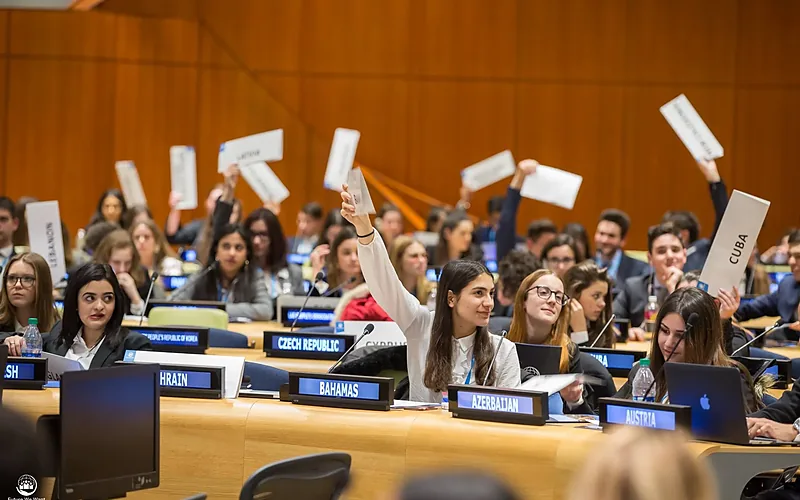
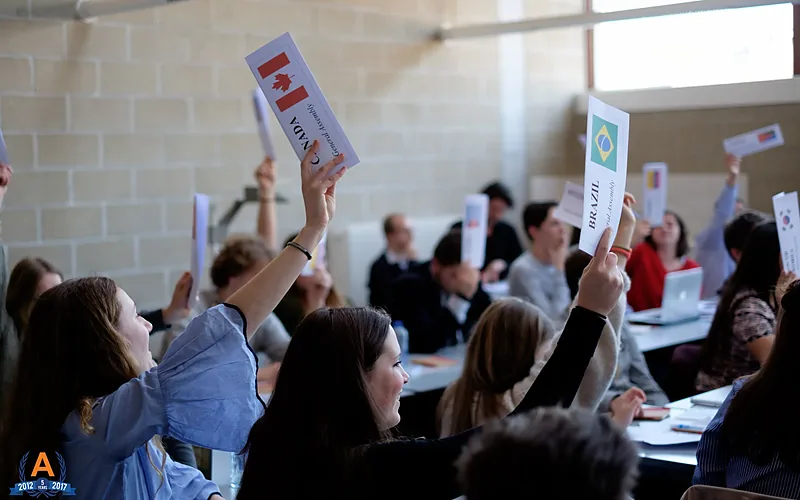
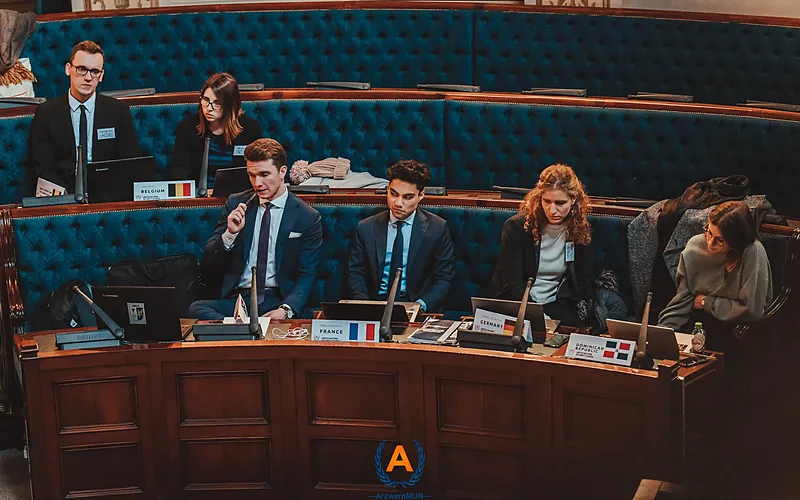
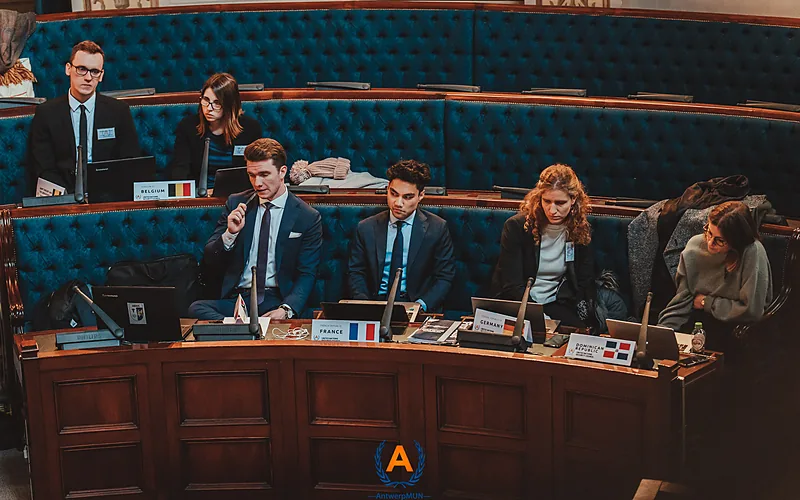
Join us at our Model UN simulation, held in the heart of Europe's diamond capital, from February 19 to February 21. AntwerpMUN welcomes students from across the globe to engage in thought-provoking discussions within simulations of the UN committees. Our conference is a dynamic platform that not only sharpens critical thinking and negotiation skills but also nurtures intercultural understanding, seamlessly integrating diplomacy with current global events and their far-reaching impacts.
Immerse yourself in this three-day simulation, where participants not only delve into global-scale international relations but also discover the cultural setting of Antwerp City. Through additional activities, we aim to fully immerse you in the life of a delegate.
Our carefully curated committees provide each delegate the opportunity to choose the council in which they wish to participate and represent a state of choice. AntwerpMUN promises an unforgettable experience at the intersection of diplomacy, cultural exploration, and global collaboration. Join us for a celebration of a decade of diplomatic deliberation!
The following topics will be discussed in the UN Councils:
The Protection of Civilians from Human Rights Violations in Sudan
- Council: UN Human Rights Council
The Question of Nuclear Non-Proliferation in the Middle East
- Council: UN Security Council
More info regarding our MUN-Simulation will follow shortly, to stay updated on our events, follow our social media accounts on @AnwerpMUN!
Where to stay…
This year AntwerpMUN is working with an official accomodation partner, namely Citybox Hotel Antwerp (molenbergstraat, 2). It is situated perfectly in the student quarter of Antwerp with the train station just a 10-minute walk away and the university within walking distance. They very kindly offered a 20% discount on a variety of rooms.
What to see in Antwerp…
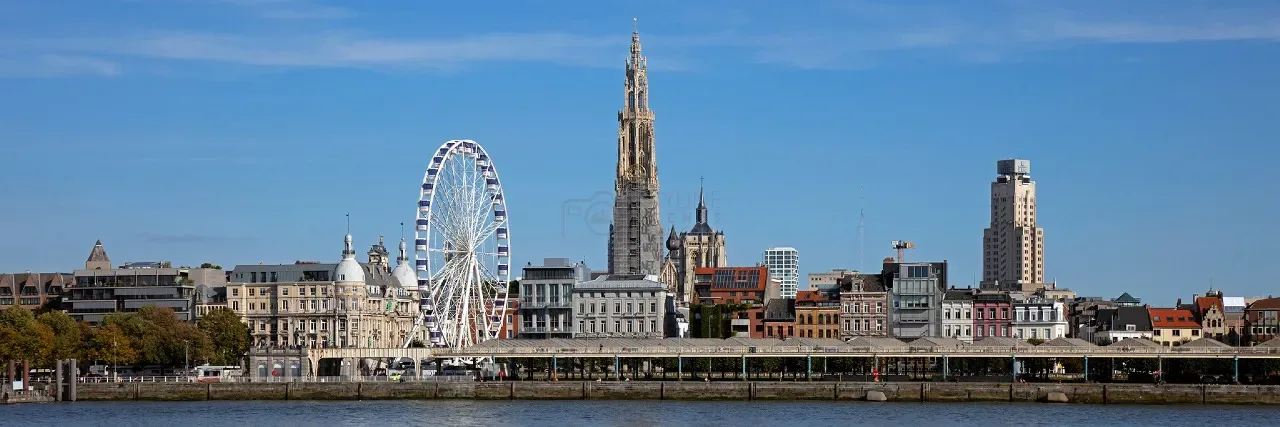
Antwerp isn't your typical student city, but a cosmopolitan village with around 500 000 inhabitants and more than 170 nationalities. The city has so much to offer! Whether you love art, history or architecture, there is something for everyone! Here are some of the landmarks that you should not miss…
MAS/ Museum aan de Stroom www.mas.be
Located in the neighbourhood of 't Eilandje, MAS is one of the city's trendiest museums. We recommended climbing to the top of the building to enjoy a stunning panoramic view of the city, for free!
Station Antwerpen Centraal
Antwerp's central station is considered to be one of the most beautiful in the world so make sure to take a look inside!
Groenplaats
Groenplaats is located right in the middle of the city centre, lined with cafés and restaurants. A solemn Rubens Statue observes the people who used to be buried in the cathedral, while the poor were laid to rest on the 'green cemetery'; hence the name Groenplaats. Different events, markets or spectacles take place here in different seasons.
Grote Markt
The Grote Markt is the main square where the town hall is located. You will spot a statue throwing a giant’s hand in the river. Around the square, there are many cafés and restaurants. Also make sure to take a look in the Cathedral while you are there!
Are you easily moved by a theatre play, inspired by a gripping exhibition or do you prefer being swept off your feet by a contemporary dance performance?
With the Rubenshuis, Letterenhuis Vleeshuis/Klank van de Stad, Mayer Van Den Bergh, the cathedral and many more places where history is key or interesting objects are being archived, there is truly something for everybody!
FOMU www.fotomuseum.be
In their permanent collection, the FOMU (Museum of Photography) takes you back to the very beginning of photography. From Edward Muybridge to William Klein: the museum shows the history of photography from all angles.
MOMU (Modemuseum) en Flanders Fashion Institute www.momu.be
Every year, many fashionistas and fashion students travel to Antwerp to get a glimpse of all the beauty in store in the city's shopping streets, but also to take a look at the gallery of Antwerp's fashion museum, MoMU.
KMSKA https://kmska.be/en: Royal Museum of Fine Arts Antwerp
Houses a collection of paintings, sculptures and drawings from the fourteenth to the twentieth centuries
How to get around?
From Brussels airport, the Antwerp-Brussels Airport Express Bus is arguably the most convenient way to get to Antwerp. The bus reaches the centre of Antwerp (Astridplein next to the Central Station) in approximately 45 minutes. Alternatively, you could take a train from the airport to Antwerp Central Station.
Public transport gets you just about everywhere in and around Antwerp. Tram and premetro stops are scattered throughout town, while most buses take you in and out of town and the suburbs. Make sure to check www.delijn.be for up-to-date info on your line and www.slimnaarantwerpen.be if you get around by car.
If you are planning to rent a bike for short or long term you can check out www.swapfiets.be. For only 15 euros you can rent a bike for a whole month.
Velo Bikes might also be a solution for you. Those bikes have bike stations scattered all over Antwerp, where you can drop off and pick up bikes however it suits you. You can go to the website www.velo-antwerpen.be to register and pick the formula that suits you best. (Velos are meant for short distances between stations)
Other expenses such as plane tickets and hotel costs will not be compensated by AntwerpMUN.
Committees
- The Protection of Civilians from Human Rights Violations in Sudan
 Eylül Bozkuş
 Chloë Wilssens
- The Question of Nuclear Non-Proliferation in the Middle East
- Jules Voddé
- Fauve Vermeersch

Past editions
- 5editions since 2022
- 4.53 average of 45 ratings
Partner conferences
 BrusselsMUN BE 2025
 MUNDay 2025
Organizers
More MUN conferences
BelgiumMUN conferences in Belgium EuropeMUN conferences in Europe February 2026MUN conferences in February 2026 University MUNMUN conferences for university students
ConferencesBelgiumANMUN 2026