TimișoaraMUN 2025
Timișoara Model United Nations
Bridging Ideas, Shaping Futures
TimisoaraMUN 2025
About Us
TimisoaraMUN is a conference by youth, for youth—an initiative fully designed and led by a passionate team of students. Built on the principles of diplomacy, critical dialogue, and international cooperation, our mission is to empower the next generation of global thinkers through meaningful debate and innovative simulations. Rooted in the dynamic spirit of Timisoara, we invite participants to shape ideas, challenge perspectives, and grow as young diplomats in an environment crafted for excellence.
Dates: November 21–23, 2025
Venue: British International School of Timișoara
Why Us?
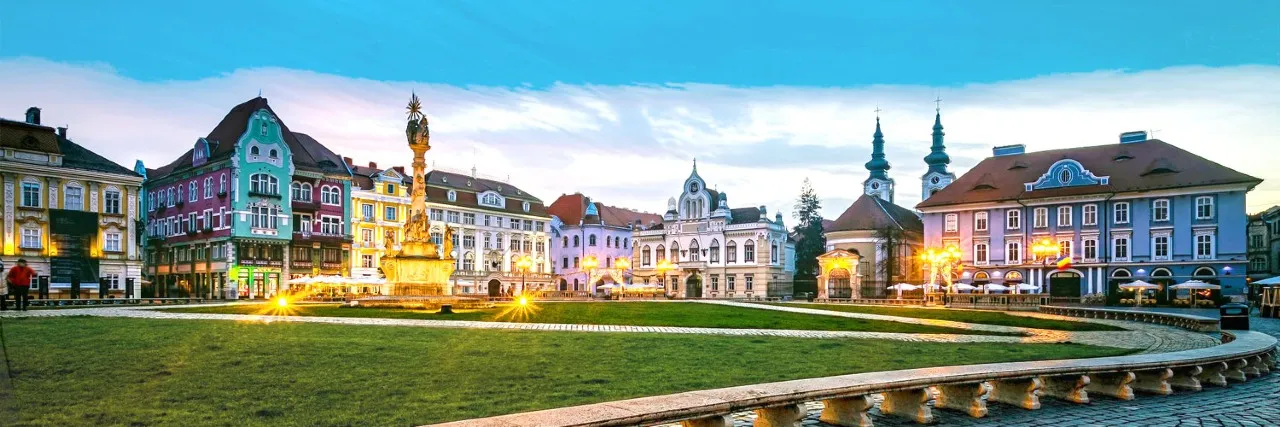
• Timisoara: European Capital of Culture 2023, rich in history and innovation
• Second-largest MUN in Romania, offering expansive networking opportunities
• Cultural Exposure: explore the multicultural region of Banat through social events
Event Overview
TimisoaraMUN 2025 will be a highly engaging three-day experience, designed to simulate real-world diplomacy while offering a dynamic learning environment. The event will officially kick off with an Opening Ceremony, where delegates and chairs will be welcomed by keynote speakers, followed by an introduction to the conference's theme and goals.
Over the next three days, delegates will engage in rigorous debates at the British International School of Timișoara, where committees will tackle pressing global issues in line with the UN framework. Delegates will represent their assigned countries, negotiate, form alliances, and draft resolutions on topics ranging from international security to human rights.
Each evening, there will be social events held at some of the best spots in Timișoara, including local clubs and cultural venues, offering participants a chance to unwind, network, and enjoy the city’s vibrant atmosphere. These social events are an essential part of the experience, allowing delegates to foster connections and build relationships outside the formal conference environment.
Roles and Responsibilities
- Delegate:
As a delegate, you will represent a country or organization in a specific committee. Your role will require you to conduct thorough research on your country’s position, craft position papers, and engage in debate and negotiations to find solutions to global issues. Delegates must demonstrate critical thinking, diplomatic skills, and a commitment to collaboration. - Chair:
Chairs play a key role in facilitating discussions and ensuring that debates run smoothly. As a Chair, you will guide the proceedings, enforce the rules of procedure, and ensure that all delegates are given the opportunity to contribute. Your leadership skills, deep understanding of the topics, and ability to manage conflicts are essential for maintaining the flow of the conference. Chairs also act as mentors to delegates, helping them navigate the debate and reach resolutions.
Why should you participate?
• Personal growth: Deepen your understanding of international geopolitics and the inner workings of the United Nations.
• Networking opportunities: Engage with peers and mentors from diverse backgrounds who may offer unique insight into the topic at hand.
• Cultural heritage: Explore the vibrant city of Timișoara, with its stunning architecture, long history, and dynamic cultural life.
• Skill building: Strengthen your debating, negotiation, public speaking, and leadership skills.
• Resume credentials: Earn a prestigious participation diploma, a valuable addition to your academic or professional résumé that highlights your abilities proven during the conference.
How to apply?
Applications are available on our official website and through the MyMUN platform. We would recommend that you apply early, since spots are limited and participation will be confirmed on a rolling basis.
Accommodation, transportation and other additional activities are not included. The ticket only includes participation in the conference, meals and social evening.
If you need assistance in finding accommodation, you can contact us: accommodation@timisoara-mun.ro
Ratings
By linking previous editions of your conference you show people how well they were rated.
Committees

The Special Committee on Decolonization (C-24)
Disarmament and International Security Committee
United Nations Office on Drugs and Crime
United Nations Security Council
Social, Humanitarian and Cultural Committee
World Health Organization
International Court of Justice
Economic and Financial Affairs Committee
Human Rights Council
Difficulty
IntermediateSize
25 Spots
Difficulty
BeginnerSize
25 Spots
Difficulty
IntermediateSize
25 Spots
Difficulty
ExpertSize
15 Spots
Difficulty
BeginnerSize
30 Spots
Difficulty
BeginnerSize
25 Spots
Difficulty
IntermediateSize
15 Spots
Difficulty
BeginnerSize
31 Spots
Difficulty
BeginnerSize
28 Spots
Description
The Special Committee on Decolonization, also known as C-24, was established in 1961 by the UN General Assembly to monitor the implementation of the 1960 Declaration on the Granting of Independence to...
Read all
Description
The Disarmament and International Security Committee (DISEC) is the First Committee of the United Nations General Assembly and is tasked with addressing issues related to global peace, international s...
Read all
Description
United Nations Office on Drugs and Crime (UNODC) The United Nations Office on Drugs and Crime is a specialized UN agency that leads international efforts to combat illicit drugs, organized crime, terr...
Read all
Description
The United Nations Security Council (UNSC) is the principal organ of the UN responsible for maintaining international peace and security. Composed of 15 member states – 5 permanent (the United States,...
Read all
Description
The Social, Humanitarian and Cultural Committee (SOCHUM) is the third main committee of the United Nations General Assembly and aims to promote fundamental human rights, civil liberties and social jus...
Read all
Description
The World Health Organization (WHO) is the specialized agency of the United Nations responsible for coordinating international efforts in the field of public health. Established in 1948, WHO’s primary...
Read all
Description
The International Court of Justice (ICJ), also known as the World Court, is the principal judicial organ of the United Nations. Established in 1945 by the UN Charter and seated in The Hague, Netherlan...
Read all
Description
The Economic and Financial Affairs Committee (ECOFIN) is the second main committee of the United Nations General Assembly and its main objective is to analyse and debate global economic issues and iss...
Read all
Description
The United Nations Human Rights Council (UNHRC) is an intergovernmental body responsible for promoting and protecting fundamental human rights worldwide. Created in 2006, the UNHRC is composed of 47 m...
Read all
Topics
Revisiting the Doctrine of Self-Determination in the Context of Post-Colonial Economic Dependence Evaluating
the Role of the United Nations in Facilitating Referendums for Non-Self-Governing Territories
Topics
Adressing the Militarization of Outer Space
Discussing the role of Drones and Unmanned Aerial Vehicles in Combat
Topics
Discussing the Role of International Cooperation in Preventing Maritime Drug Smuggling
Countering the Surge in Online Child Exploitation and the Dark Web Economy
Topics
The Threat of Emerging Cyber Warfare on Global Security and Critical Infrastructure
Strengthening Peacekeeping Mandates in Light of Increasing Attacks on UN Personnel
Topics
Discussing the Human Rights Implications of Artificial Intelligence and Automated Surveillance
ADDRESSING THE GLOBAL RISE IN ONLINE HATE SPEECH AND RADICALIZATION
Topics
Regulating the Use of Artificial Intelligence in Medical Diagnostics and Data Privacy
Addressing Vaccine Inequality, Ensuring Equitable Access in Developing Regions
Topics
Iran v. United States (Treaty of Amity)
Guyana v. Venezuela (Territorial dispute)
Topics
Evaluating the Role of the World Bank and IMF in Debt Restructuring and Economic RECOVERY
Assessing the Role of Digital Currencies in Global Financial Stability
Topics
Discussing the Human Rights Implications of Artificial Intelligence and Automated Surveillance
Revisiting the Role of Journalists and Media Freedom in Authoritarian States



Organizers
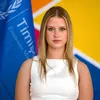
Cristiana Rebecca Oancea
Deputy Secretary General

Dragoș Bârlădianu
Secretary General

Luca Moldovan
Secretary Assistant