NAMUN 2024

North American Model United Nations

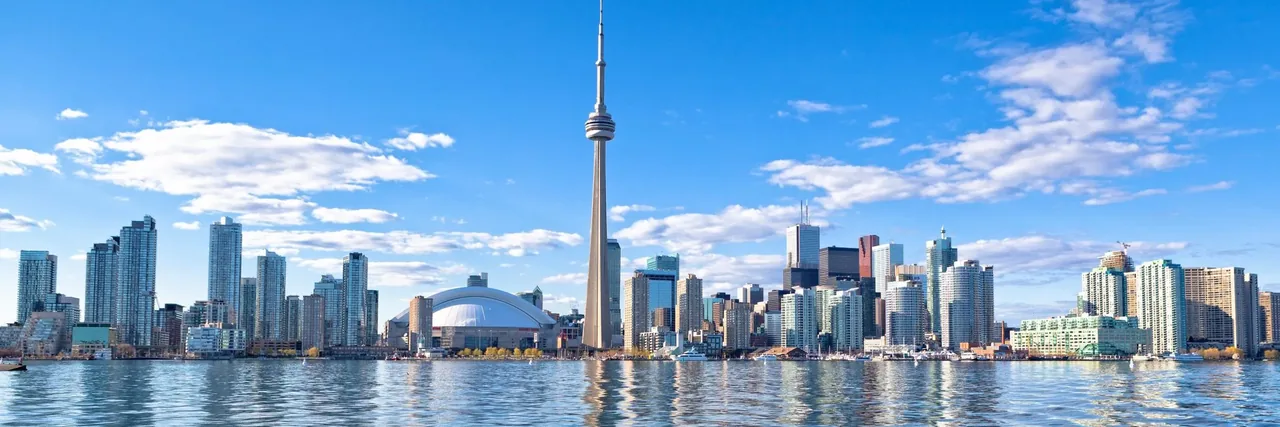
Feb 22–24, 2024 Toronto, Canada

North American Model United Nations

Conference

Feb 22–24, 2024

University students

In English

About

A Truly Amazing Legacy.

Founded in 1985 and hosted at the University of Toronto, North American Model United Nations (NAMUN) is Canada’s oldest annual university-level Model United Nations conference. Over the span of 8 months our dedicated staff work tirelessly developing content, honing procedures, and organizing administration to provide the most intellectually stimulating, collegiate, and welcoming environment for our delegates. This culminates in our annual 3-day conference where more than 250 student delegates from around the world take part in debates, with topics drawn from issues deliberated at the United Nations.

Click here to Register!

Committees

    1. Strategies for the Global Treatment and Prevention of Noncommunicable Diseases (NCDs).
    2. Management of Hazardous Chemicals in Relation to Environmental Health Issues.

    World Medical Association

    English

    Topics

    1. Strategies for the Global Treatment and Prevention of Noncommunicable Diseases (NCDs).
    2. Management of Hazardous Chemicals in Relation to Environmental Health Issues.

    About the committee

    Public health has always been of significance in discussing global issues as well as the United Nations’ Sustainable Development Goals, with SDG 3 focusing primarily on good health and wellbeing. However, the global focus has often been on infectious diseases and their prevention, with less emphasis put on chronic conditions or the increasing effects of environmental change on human health. The World Medical Association committee will aim to tackle chronic health issues that are rising in prevalence across the world through a public health lens.

    Countries

    1. Ensuring the global provision of safely managed, accessible drinking water services and sanitation.
    2. Effective protection, monitoring and restoration of water ecosystems.

    UN Water

    English

    Topics

    1. Ensuring the global provision of safely managed, accessible drinking water services and sanitation.
    2. Effective protection, monitoring and restoration of water ecosystems.

    About the committee

    UN Water coordinates various UN agencies’ work on water issues, particularly drinking water and sanitation in line with UN Sustainable Development Goal 6 which has been largely overlooked in the years leading up to 2030. As such, this committee will cover a broad range of global water issues in relation to health, the environment and socioeconomic development, focusing on the provision of safe drinking water and sanitation as well as protecting water ecosystems as a natural resource.

    Countries

    1. Promoting sustainable business practices and ensuring worker rights within multinational corporations.
    2. Encouraging the employment of youth in the labor market through education, training and investment in opportunities.

    International Labour Organization

    English

    Topics

    1. Promoting sustainable business practices and ensuring worker rights within multinational corporations.
    2. Encouraging the employment of youth in the labor market through education, training and investment in opportunities.

    About the committee

    The ILO’s main goals include promoting worker rights, encouraging employment opportunities that are fair and decent, improving social protection for workers and furthering discussion on issues related to employment. The ILO aims to involve workers, employers and the government in policy development and labor standards, and the committee will focus on involving these viewpoints in the scope of multinational corporations and youth employment.

    Countries

    1. Encouraging sustainable agricultural production for land security.
    2. Supporting agricultural development driven by indigenous peoples.

    International Fund for Agricultural Development

    English

    Topics

    1. Encouraging sustainable agricultural production for land security.
    2. Supporting agricultural development driven by indigenous peoples.

    About the committee

    IFAD’s main goal is to support rural populations in agricultural development initiatives through the development of cost-effective, people-centered, and partnership-oriented approaches. IFAD encourages small scale agricultural development in rural communities and aims to provide better access to markets and services for rural producers so they are able to grow and earn more. This also achieves the goals of poverty reduction and sustainability, which will be discussed in the two topics on the committee’s agenda.

    Countries

    1. Addressing challenges related to humanitarian access and ensuring equal access to aid.
    2. The reconstruction of essential infrastructure, particularly with regard to sustainable development strategies.
    3. Exploring ways for regional actors to support peace and stability in Yemen.

    UN Security Council

    English

    Topics

    1. Addressing challenges related to humanitarian access and ensuring equal access to aid.
    2. The reconstruction of essential infrastructure, particularly with regard to sustainable development strategies.
    3. Exploring ways for regional actors to support peace and stability in Yemen.

    About the committee

    Yemen Humanitarian Crisis: Since 2014, Yemen’s people have been embroiled in a devastating civil war. The war has dealt a sizeable blow on the government’s ability to protect its citizens, regulate the economy and provide public services, leaving Yemen’s social fabric in a state of ruin while exacerbating the already fragile economic conditions of the country.

    Countries

    How this committee type works
    1. Reevaluating the “one-size-fits-all” approach of IMF Structural Adjustment Loans.
    2. Developing social and economic safety nets in the affected countries.

    International Monetary Fund

    English

    Topics

    1. Reevaluating the “one-size-fits-all” approach of IMF Structural Adjustment Loans.
    2. Developing social and economic safety nets in the affected countries.

    About the committee

    The Asian Financial Crisis of 1997 stands as a pivotal moment in the economic history of Asia, casting its shadows on the global financial landscape. Beginning in Thailand, the crisis would quickly spread to neighbouring economies, causing currencies to collapse, stock markets to plummet, and a sharp rise in corporate and government debt. Recognizing the severity of the crisis, the International Monetary Fund (IMF) responded by providing emergency loans to the affected countries, but these loans came with conditions that emphasized austerity measures, fiscal discipline, and financial sector reforms. The goal was to restore stability, attract foreign investment, and promote economic restructuring.

    Countries

    1. Assessing the impact of the EU's Banana Regime.
    2. Developing a set of actionable recommendations for Chiquita’s future operations.

    Banana Borne Bankruptcy

    English

    Topics

    1. Assessing the impact of the EU's Banana Regime.
    2. Developing a set of actionable recommendations for Chiquita’s future operations.

    About the committee

    The year 2001 marked a significant period of turmoil for Chiquita Brands International, one of the world’s largest fruit-producing and processing companies. Chiquita faced severe financial distress, which ultimately led to its bankruptcy filing and restructuring by March of the following year. Among the various factors contributing to the company's downfall, Chiquita would attribute its financial woes, in large part, to what was known as the European Union (EU) Banana Regime. Returning to January of 2001, delegates of this committee will assume the role of Chiquita's board of directors, each with their own specific interests and objectives. While the board has been entrusted to work towards Chiquita's recovery, the presence of hidden agendas and conflicting interests may lead to the emergence of new crises or challenges within the committee.

    Countries

  • Coming soon…

    Ad Hoc

    English

    About the committee

    Coming soon…

    Countries

  • Since the 1961 proposal of a Malaysian federation uniting the territories of the British Commonwealth in South East Asia, regional tensions have ratcheted up between the newly-formed Malaysia and its neighbor, the Republic of Indonesia. The government of Indonesian President Sukarno, who had characterized the formation of the federation as a neo-colonial project to retain local British hegemony, announced in January 1963 an active policy of Konfrontasi, or confrontation towards Malaysia after a Bruneian independence movement was quashed by Commonwealth forces in 1962. In his 1964 address to the nation on Indonesian Independence Day, President Sukarno declared that it was to be the “Year of living dangerously,” while simultaneously launching naval and air landings on the mainland Malay peninsula. The stage is now set for an escalation of the previously low-intensity conflict between the newly-formed Malaysia, its Commonwealth allies, and their rival Indonesia. Time will tell if the tightrope antics of Indonesia will result in the dissolution of the federation, the end of Sukarno’s “Guided Democracy,” or a descent into all-out war. This is a three-committee Integrated Crisis Committee consisting of the Republic of Indonesia, Malaysia, and Commonwealth of Nations.

    Konfrontasi 1964

    English

    About the committee

    Since the 1961 proposal of a Malaysian federation uniting the territories of the British Commonwealth in South East Asia, regional tensions have ratcheted up between the newly-formed Malaysia and its neighbor, the Republic of Indonesia. The government of Indonesian President Sukarno, who had characterized the formation of the federation as a neo-colonial project to retain local British hegemony, announced in January 1963 an active policy of Konfrontasi, or confrontation towards Malaysia after a Bruneian independence movement was quashed by Commonwealth forces in 1962. In his 1964 address to the nation on Indonesian Independence Day, President Sukarno declared that it was to be the “Year of living dangerously,” while simultaneously launching naval and air landings on the mainland Malay peninsula. The stage is now set for an escalation of the previously low-intensity conflict between the newly-formed Malaysia, its Commonwealth allies, and their rival Indonesia. Time will tell if the tightrope antics of Indonesia will result in the dissolution of the federation, the end of Sukarno’s “Guided Democracy,” or a descent into all-out war. This is a three-committee Integrated Crisis Committee consisting of the Republic of Indonesia, Malaysia, and Commonwealth of Nations.

    Countries

    How this committee type works
  • Despite the complicated British withdrawal from India, the legacy of European colonialism on the subcontinent still bears a 400-year old scar in the form of the Portuguese exclave of Goa. Refusing to balk under the pressure of the global decolonization movement of the period, the Portuguese government—under Prime Minister Salazar—has continually refused to relinquish control over the territory; the claim being that Goa stands as a province of Portugal and is therefore inseparable from the nation. India, on the other hand, sees the Portuguese control over Goa as a constant reminder of a past where it remained subservient to European powers. The issue has frozen relations between the two countries for over a decade, and with Portugal's recent isolation on the global stage on top of the outbreak of the war in Portuguese Angola, a renewed conflict over the status of the concession may be on the horizon. This is a two-committee Joint Crisis Committee consisting of Estado Novo and Republic of India.

    The Goa Question 1961

    English

    About the committee

    Despite the complicated British withdrawal from India, the legacy of European colonialism on the subcontinent still bears a 400-year old scar in the form of the Portuguese exclave of Goa. Refusing to balk under the pressure of the global decolonization movement of the period, the Portuguese government—under Prime Minister Salazar—has continually refused to relinquish control over the territory; the claim being that Goa stands as a province of Portugal and is therefore inseparable from the nation. India, on the other hand, sees the Portuguese control over Goa as a constant reminder of a past where it remained subservient to European powers. The issue has frozen relations between the two countries for over a decade, and with Portugal's recent isolation on the global stage on top of the outbreak of the war in Portuguese Angola, a renewed conflict over the status of the concession may be on the horizon. This is a two-committee Joint Crisis Committee consisting of Estado Novo and Republic of India.

    Countries

    How this committee type works
  • “Thousands have lived without love, not one without water” wrote W.H Auden. For the populations of the Nile River basin that rely on the flow of this ancient stream, this quote highlights their innate vulnerability to the mercies of the flow of one of the longest rivers in the world. Climate change, demographics, and industrialization have all increased demand for water while constricting an already limited supply in the region. Despite the myriad of risk factors, in the early months of 2024, Ethiopia has announced in a shocking maneuver that it would proceed with a rapid increase in the pace of filling of its Grand Ethiopian Renaissance Dam (GERD): with or without the approval of its downstream neighbors. An emblem of national pride and rejuvenation, the filling of the GERD would serve as an immense producer in Ethiopia’s national energy grid and perhaps reduce dependence on fossil fuel power infrastructure in the country. On the other hand, the ecological impacts of the rapid pace of reservoir filling could be unprecedented, and the danger to water security it poses to Ethiopia’s downstream neighbours—such as Egypt and Sudan—has remained an unresolved issue. The delegates of the Nile Basin Initiative must convene in this committee to reach a cohesive water-sharing agreement and accommodate both upstream and downstream voices or face the consequences of endangering the water supply (and perhaps the livelihoods) of millions.

    The Nile River Dispute 2024

    English

    About the committee

    “Thousands have lived without love, not one without water” wrote W.H Auden. For the populations of the Nile River basin that rely on the flow of this ancient stream, this quote highlights their innate vulnerability to the mercies of the flow of one of the longest rivers in the world. Climate change, demographics, and industrialization have all increased demand for water while constricting an already limited supply in the region. Despite the myriad of risk factors, in the early months of 2024, Ethiopia has announced in a shocking maneuver that it would proceed with a rapid increase in the pace of filling of its Grand Ethiopian Renaissance Dam (GERD): with or without the approval of its downstream neighbors. An emblem of national pride and rejuvenation, the filling of the GERD would serve as an immense producer in Ethiopia’s national energy grid and perhaps reduce dependence on fossil fuel power infrastructure in the country. On the other hand, the ecological impacts of the rapid pace of reservoir filling could be unprecedented, and the danger to water security it poses to Ethiopia’s downstream neighbours—such as Egypt and Sudan—has remained an unresolved issue. The delegates of the Nile Basin Initiative must convene in this committee to reach a cohesive water-sharing agreement and accommodate both upstream and downstream voices or face the consequences of endangering the water supply (and perhaps the livelihoods) of millions.

    Countries

More MUN conferences

ConferencesCanadaNAMUN 2024