
About
Feminist Futures: Shaping a More Equitable World
Model United Nations – Universities of Berlin (MUNiB) is a premier MUN conference that brings together passionate students from around Europe to simulate the workings of the United Nations.
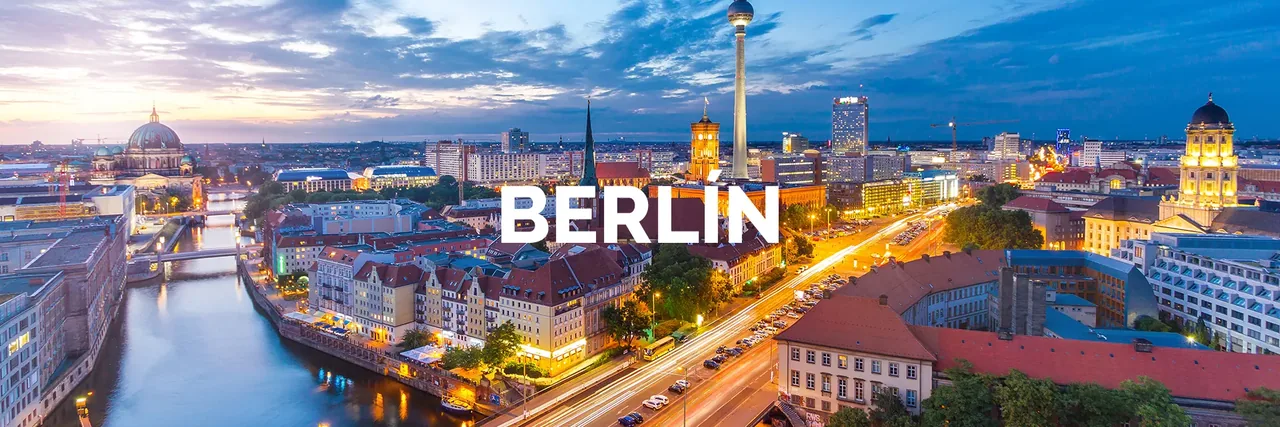
Hosted at the Hertie School, in the heart of Germany’s capital, MUNiB offers an engaging platform for young leaders to debate pressing global issues, practice diplomacy, and strengthen their public speaking and negotiation skills. The conference fosters collaboration, critical thinking, and cross-cultural understanding, with the goal of cultivating a new generation of informed global citizens. Each year, delegates represent a range of countries and tackle real-world challenges across diverse UN committees—promoting inclusivity, intellectual curiosity, and meaningful dialogue. With Berlin’s rich history and vibrant international atmosphere as a backdrop, MUNiB delivers an inspiring experience that connects local perspectives with global solutions.
This year’s theme, “Feminist Futures: Shaping a More Equitable World”, explores the restructuring of gender dynamics and how to pave the way for a more just global society. With Berlin’s legacy of progressive thought and activism, it provides the perfect setting for these vital conversations.
Please note: Tuition fees cover conference materials (including merchandise), coffee breaks, and possibly one meal during the event. All travel to and within Berlin, as well as accommodation, must be arranged and covered independently by participants.
We look forward to welcoming you to an intense weekend of exciting discussions and inspiring connections! discussions and interesting people!
Committees
- Emergency Care for Women in Conflict-Affected Areas
- Overlooked and Forgotten: Internally Displaced People
 Aino Leena Bertram
 Raphael Varossieau


Organizers

Esmeralda Dueñas Marmolejo
Secretary General

More MUN conferences
GermanyMUN conferences in Germany EuropeMUN conferences in Europe May 2025MUN conferences in May 2025 High school MUNMUN conferences for high school students University MUNMUN conferences for university students
ConferencesGermanyMUNiB 2025