MUNDay 2025

Louvain-la-Neuve Model United Nations Day

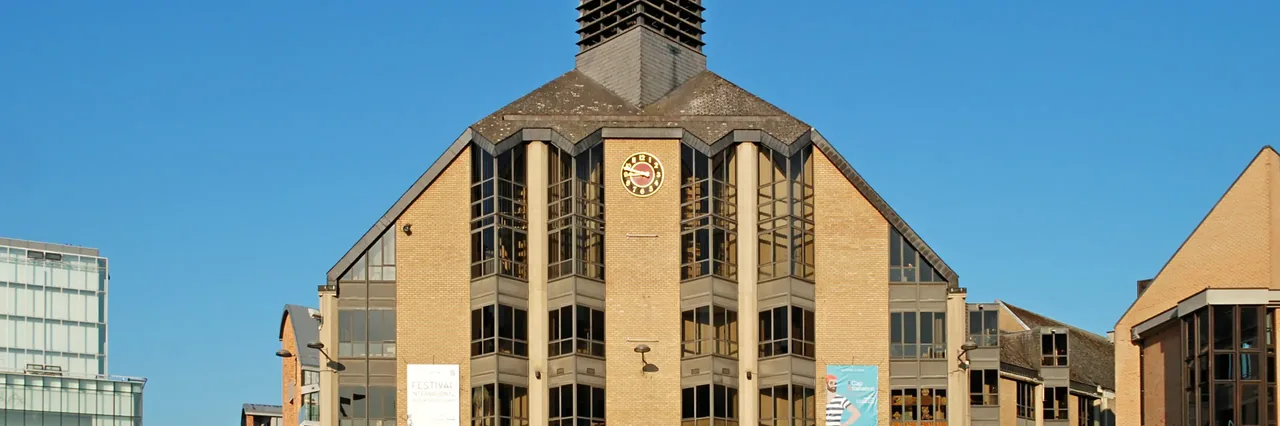
Mar 15, 2025 Louvain-la-Neuve, Belgium

Louvain-la-Neuve Model United Nations Day

Latest edition: MUNDay 2026Mar 14, 2026

Conference

Louvain-la-Neuve, Belgium·Europe

Mar 15, 2025

150 delegates expected

High school and university students

In English

How it went

4.5522 ratings from delegates
Academics
4.45
Logistics
4.59
Socials
4.59

About

MUN day

Shaping a World in Transition: Balancing Innovation, Security and Sovereignty

 You are interested in understanding societal issues better or improving your public speaking skills? You are invited to the 2025 edition of our MUNday organized by LouvainMUN. The goal is to bring students together to discuss global crises in a friendly and enriching atmosphere.

Each participant will represent a country and will be invited to prepare a position paper and become familiar with the chosen topic. This year, five diverse committees will be offered, with topics and committees coming from different institutions. Four committees will be conducted in English and one in French. The United Nations debate rules will be followed, but don't worry, everything will be explained after registration. NO previous experience is required, just come as you are. 

This year we chose the following themes for our committees :  

Committees in English 

  • DISEC: The Demilitarization of the Arctic Ocean 
  • INTERPOL: Combating transnational cybercrime in a digital world
  • NATO: Navigating emerging and disruptive technologies in modern warfare
  • UNSC: The Kashmir Dispute: balancing regional security and sovereignty

FOR THE FIRST TIME a committee in French: 

  • La Révolution Française 

The day will be organized as followed: 

  • 8:30 - 9:15: Registration & breakfast
  • 9:15 - 10:15: Opening ceremony with our guest speaker
  • 10:15 - 10:30: ROP
  • 10:30 - 11:30: Session 1
  • 11:30 - 11:45: Coffee break
  • 11:45 - 13:00: Session 2
  • 13:00 - 14:15: Lunch break
  • 14:15 - 15:30: Session 3
  • 15:30 - 16:00: Coffee break
  • 16:00 - 18:00: Session 4
  • 18:00: Closing ceremony & drink

💼 Last but not least the participation fee is €15.5 before February 22 and then €17.5 before March 8 so don’t second guess it and sign up. 

🍽️ For this price you will have: 

  • Breakfast, Lunch and drinks
  • Welcome pack (goodies)
  • Introductory lecture by our mystery guest

Committees

  • 25 countries · 2 delegates each
    1. Demilitarization of the Arctic Ocean

    DISEC

    Intermediate · English · 25 countries · 2 delegates each

    Topic

    Demilitarization of the Arctic Ocean

    About the committee

    As the Arctic ice continues to melt at an unprecedented rate, new economic and strategic opportunities emerge, drawing global powers into a silent competition for control. Nations bordering the Arctic, including the United States, Russia, Canada, and Denmark, are increasing their military presence, while non-Arctic states such as China and NATO allies seek to establish their influence. The race for resources, coupled with territorial disputes and military maneuvers, poses significant risks to global stability, regional security, and the rights of indigenous populations. DISEC delegates will step into the shoes of world leaders, military strategists, and diplomats to tackle the complex intersection of security, economics, and environmental sustainability in the Arctic. How can we balance national defense interests with the need for peace? What role should international law play in settling territorial disputes? How can we ensure the protection of indigenous communities and the fragile Arctic ecosystem while navigating growing economic ambitions? This committee will challenge participants to craft innovative, enforceable, and diplomatic solutions to prevent further militarization while safeguarding the region’s security and prosperity. As you engage in debate, negotiation, and resolution drafting, you will be at the forefront of shaping the Arctic’s future, a future that hinges on diplomacy, cooperation, and the principles of international peace.

    Countries

    How this committee type works
  • 25 countries
    1. Combatting transnational cybercrime in a digital world

    INTERPOL

    Intermediate · English · 25 countries

    Topic

    Combatting transnational cybercrime in a digital world

    About the committee

    In an era where digital innovation fuels global connectivity, cybercrime has evolved into one of the most pervasive threats to governments, businesses, and individuals. No longer confined by borders, cybercriminals exploit vulnerabilities across nations, operating in a decentralized and elusive manner. From ransomware attacks crippling critical infrastructure to phishing schemes defrauding millions, the rise of cybercrime presents an urgent challenge to international security. INTERPOL stands at the frontline of this battle, working to unify global law enforcement efforts in the fight against digital crime. With cybercriminal networks growing increasingly sophisticated, utilizing encrypted channels, artificial intelligence, and the dark web traditional policing methods are struggling to keep pace. How can we fortify international cooperation to dismantle these criminal syndicates? What measures can ensure effective cybersecurity without infringing on privacy and national sovereignty? This committee will challenge delegates to develop innovative strategies to combat the globalization of cybercrime, balancing security, cooperation, and digital rights. From enhancing international intelligence-sharing to coordinating cyber task forces, delegates will shape the future of cyber law enforcement in a rapidly digitizing world. As the digital battlefield expands, the stakes have never been higher. Will you be the one to lead the charge against cybercrime and secure a safer future for the global community? Welcome to INTERPOL, where diplomacy meets cybersecurity in the fight against digital crime.

    Countries

    How this committee type works
  • 32 countries
    1. The Kashmir Dispute: balancing regional security and sovereignty

    UNSC

    Intermediate · English · 32 countries

    Topic

    The Kashmir Dispute: balancing regional security and sovereignty

    About the committee

    Addressing Global Security with Authority and Action Welcome to the United Nations Security Council (UNSC), the most powerful and influential body within the United Nations. Charged with the vital responsibility of maintaining international peace and security, the UNSC is the only UN organ capable of passing legally binding resolutions that shape global policy. The UNSC will convene to tackle one of the most enduring and complex geopolitical disputes of our time, the Kashmir Issue. For decades, this territorial conflict has fueled tensions between nuclear-armed neighbors, India and Pakistan, drawing in global powers and raising critical questions about sovereignty, human rights, and international diplomacy. As tensions continue to evolve, the world looks to the UNSC for leadership, resolution, and strategic diplomacy. This committee challenges advanced delegates to engage in high-stakes negotiations, craft innovative solutions, and navigate the intricate web of alliances, regional interests, and global security concerns. With five permanent members wielding veto power and ten rotating members representing diverse global perspectives, every decision will be critical. As a delegate in the UNSC, you are tasked with balancing national interests with the broader goal of maintaining global stability. Will you advocate for peaceful diplomacy or take a more assertive approach? Will your resolution withstand scrutiny, secure enough votes, and redefine the future of Kashmir? Prepare for intense debates, strategic maneuvering, and a test of your ability to handle real-world crises. The world is watching, will you rise to the challenge?

    Countries

    How this committee type works
  • 30 countries
    1. Navigating emerging and disruptive technologies in modern warfare

    NATO

    Beginner · English · 30 countries

    Topic

    Navigating emerging and disruptive technologies in modern warfare

    About the committee

    The future of warfare is being shaped not on the battlefield, but in laboratories, cyberspace, and innovation hubs around the world. Emerging and Disruptive Technologies (EDTs) from artificial intelligence and quantum computing to autonomous weapons and biotechnology are revolutionizing military strategy, cybersecurity, and global security policy. As NATO faces an era of rapid technological transformation, the alliance must determine how to harness these advancements while mitigating risks posed by adversarial states, rogue actors, and the weaponization of innovation. How can AI and automation enhance NATO’s defense capabilities without compromising ethical standards? Should autonomous weapons systems be regulated or embraced? What role do private-sector companies and research institutions play in shaping the military technologies of tomorrow? This committee will debate the challenges and opportunities of EDTs in modern warfare, diplomacy, and defense policy. From cyberwarfare and space security to military AI and hypersonic weapons, delegates will work to craft forward-thinking strategies that balance innovation with responsibility, security with ethics, and progress with stability. As the lines between science fiction and military reality blur, the decisions made in this committee will define the next generation of NATO defense and global security. Are you ready to shape the future of warfare?

    Countries

    How this committee type works
  • 21 countries
    1. La Révolution Française

    French committee

    English · 21 countries

    Topic

    La Révolution Française

    About the committee

    Citoyens, révolutionnaires, patriotes ! Bienvenue au Comité de Salut Public, l’organe suprême de la Révolution française en cette année troublée de 1793. Alors que la France est assiégée par des ennemis intérieurs et extérieurs, le destin de la République repose entre vos mains. La monarchie a été renversée, mais la stabilité du nouveau régime est loin d’être assurée. Traîtres, conspirateurs et puissances étrangères menacent d’anéantir les acquis révolutionnaires. En tant que membres du Comité de Salut Public, vous détenez un pouvoir quasi absolu pour guider la République à travers cette période de terreur et d’incertitude. Votre mission ? Éradiquer la contre-révolution, stabiliser l’État, remporter la guerre et assurer la survie des idéaux de liberté, égalité et fraternité. Mais prenez garde ! Dans ce climat de suspicion et de radicalisation politique, chaque décision peut être fatale. Qui est un véritable patriote ? Qui complote dans l’ombre contre la Révolution ? Qui mérite d’être jugé… ou exécuté ? À vous de décider du sort de la France. Serez-vous les architectes d’une République forte et unie ou les acteurs d’une descente dans la dictature et la violence ? Le peuple vous regarde. L’histoire jugera vos actions. Vive la Révolution !

    Countries

More MUN conferences

ConferencesBelgiumMUNDay 2025