GrunnMUN 2025

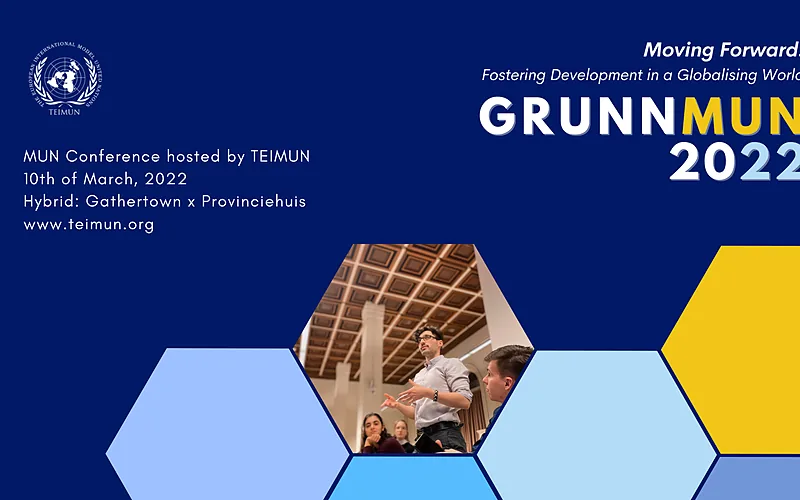
Groningen Model United Nations

Feb 15, 2025 Groningen, Netherlands

Groningen Model United Nations

Conference

Groningen, Netherlands·Europe

Feb 15, 2025

100 delegates expected

University students

In English

About

Innovation for Peace: Technology as a Driver of Global Stability

Delegate Applications


Our Theme


In a rapidly evolving world, technology stands at the forefront of global progress, offering unprecedented opportunities to foster peace and security. As new technologies are continuously developed, they increasingly shape the lives of people across the globe. These advancements have the potential to serve as powerful catalysts for conflict resolution, diplomatic engagement, and sustainable global peace.

However, alongside its benefits, technology also presents significant challenges to international security. The development of advanced weapons technology has made conflicts more perilous, while rapid innovations in cyberspace threaten the cybersecurity of states, organisations, and individuals alike. Moreover, despite the positive impact of technological progress, the persistent issue of unequal access to these innovations remains a critical concern, leaving many communities unable to benefit from or contribute to global advancements.

These challenges are as pressing as they are complex and require thoughtful, collective action. At GrunnMUN 2025 and TEIMUN 2025, we will come together to address these critical issues and consider how technology can best be harnessed to bridge divides, promote global cooperation, and contribute to a more secure, peaceful world. Participants will have the opportunity to explore innovative solutions, debate the role of technology in international development, and envision a future where technological progress is an inclusive force for good.

Join us and be a part of shaping global solutions—let’s innovate for peace together!

Committees

    1. The Paradox of Peace: Ensuring a Sustainable Framework for Bosnia and Herzegovina

    Security Council

    Expert · English

    Topic

    The Paradox of Peace: Ensuring a Sustainable Framework for Bosnia and Herzegovina

    About the committee

    The United Nations Security Council (Advanced Level) is the most powerful body within the UN, responsible for maintaining global peace and security. It holds the unique authority to impose sanctions, authorize military interventions, and mandate peacekeeping operations. Unlike other UN organs, the SC’s decisions are legally binding, obligating all member states to comply with its resolutions. The Council’s key functions include preventing disputes from escalating into conflicts, mediating peace agreements, and deploying peace missions or special envoys to manage crises. The SC can also impose sanctions, such as arms embargoes, travel bans, or asset freezes, on nations or entities that pose a threat to international stability. Additionally, it can authorize collective military action to restore peace, often by mandating UN peacekeeping forces or coalition operations. The SC plays a central role in addressing the most critical international crises, including issues related to terrorism, civil wars, nuclear non-proliferation, and large-scale human rights violations. Through its power to pass binding resolutions, it has a pivotal influence on global geopolitics and conflict resolution.

    Countries

    How this committee type works
    1. Joint NATO Intelligence: Surveillance and Reconnaissance: Enhancing Interoperability and Leveraging Innovation for Joint Operations

    NATO

    Intermediate · English

    Topic

    Joint NATO Intelligence: Surveillance and Reconnaissance: Enhancing Interoperability and Leveraging Innovation for Joint Operations

    About the committee

    The North Atlantic Treaty Organization (Intermediate) is a political and military alliance founded in 1949 to ensure the collective defense and security of its member states. NATO’s primary mission is to safeguard the freedom and security of its members through political and military means, based on the principle of collective defense under Article 5 of its founding treaty, which states that an attack against one member is considered an attack against all. This principle has only been invoked once, in response to the 9/11 attacks. NATO plays a critical role in crisis management, conflict prevention, and cooperative security. It conducts military operations and peacekeeping missions in areas of conflict, including the Balkans, Afghanistan, and more recently, in efforts to deter threats along its eastern borders. Beyond its military functions, NATO also engages in political dialogue and partnerships with non-member countries, promoting democratic values and fostering cooperation on global security issues such as cyber threats, terrorism, and emerging technologies.

    Countries

    How this committee type works
    1. Assessing the enablement of genetic engineering in the field of healthcare

    World Health Organization

    Intermediate · English

    Topic

    Assessing the enablement of genetic engineering in the field of healthcare

    About the committee

    The World Health Organization (Beginner/Intermediate) is a specialized agency of the United Nations responsible for international public health. Established in 1948, its primary goal is to ensure that all people attain the highest possible level of health. WHO leads global efforts to combat diseases, promotes health standards, and provides guidance on healthcare practices. It plays a key role in responding to health emergencies, coordinating international efforts to prevent and control outbreaks such as COVID-19, Ebola, and other epidemics. WHO also works with governments, researchers, and healthcare professionals to develop health policies, improve access to healthcare services, and address global health challenges such as non-communicable diseases, maternal and child health, and mental health. It sets international health standards, conducts research, and provides technical support to countries, particularly those with limited healthcare resources. Through its work, WHO contributes to the achievement of global health objectives, including the United Nations’ Sustainable Development Goals (SDGs), with a focus on universal health coverage and improving health outcomes worldwide.

    Countries

    How this committee type works
    1. Smart cities: the balance between economic growth and data privacy

    ECOSOC

    Intermediate · English

    Topic

    Smart cities: the balance between economic growth and data privacy

    About the committee

    The United Nations Economic and Social Council ( Beginner/Intermediate level) is one of the six principal organs of the UN, responsible for promoting international cooperation on economic, social, and development issues. It serves as a central platform for discussing and coordinating efforts to achieve sustainable development goals (SDGs), addressing poverty, education, health, gender equality, and environmental sustainability. ECOSOC facilitates dialogue between governments, civil society, and other stakeholders to develop and implement global policies aimed at fostering economic growth, social progress, and environmental sustainability. ECOSOC oversees the work of specialized agencies, programs, and funds within the UN system, such as the World Health Organization (WHO), United Nations Children’s Fund (UNICEF), and the United Nations Development Programme (UNDP). Its key functions include formulating policy recommendations, conducting studies on pressing global issues, and organizing international conferences on development. ECOSOC also plays a pivotal role in promoting human rights and coordinating humanitarian efforts in times of crisis.

    Countries

    How this committee type works
    1. Renewable Energy as Tool for Climate Justice: The Role of Developed Nations in Helping Vulnerable States Prevent Climate-Induced Migration

    UNEP

    Beginner · English

    Topic

    Renewable Energy as Tool for Climate Justice: The Role of Developed Nations in Helping Vulnerable States Prevent Climate-Induced Migration

    About the committee

    The United Nations Environment Programme (Beginner Level) is the leading global environmental authority within the United Nations system, tasked with promoting sustainable development and addressing environmental issues on a global scale. UNEP plays a key role in developing international environmental policies, providing scientific assessments, and coordinating efforts to tackle challenges like climate change, biodiversity loss, and pollution. It works with governments, private sectors, and civil society to drive environmental conservation, support sustainable practices, and foster the green economy. UNEP’s main functions include creating environmental awareness, setting global environmental standards, facilitating international treaties, and providing technical assistance to countries in need. Additionally, it plays a crucial role in monitoring environmental changes, offering policy advice, and supporting countries in achieving their environmental commitments under international agreements such as the Paris Agreement on climate change. UNEP is central to addressing critical global environmental issues and ensuring the integration of environmental sustainability into global development efforts. Through its initiatives, it helps shape the international agenda on environmental protection and sustainable resource management.

    Countries

    How this committee type works

Past editions

  • 4editions since 2022
  • 4.90 average of 3 ratings

Organizers
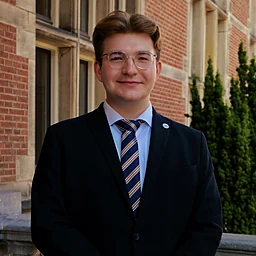
Dominik Palkovič
Deputy Secretary General
More MUN conferences

ConferencesNetherlandsGrunnMUN 2025