URUMUN 2026

URUMUN

May 1–3, 2026 Utrecht, Netherlands

URUMUN

Conference

May 1–3, 2026

115 delegates expected

High school and university students

In English

How it went

3.9218 ratings from delegates
Academics
3.89
Logistics
3.61
Socials
4.28

About

URUMUN 2026! (ALL CHAIR POSITIONS HAVE BEEN FILLED)

In an increasingly interconnected world, global security is a shared responsibility. Modern challenges such as cyberattacks, terrorism, pandemics, climate change, and humanitarian crises transcend national borders and require collective action, cooperation, and innovative diplomacy.

URUMUN 2026 is centered around the theme Shared Security: Collective Responses to Global Threats, encouraging delegates to explore how states and international organizations can work together to prevent crises and respond effectively when they arise. The conference provides a platform for critical debate, policy-oriented thinking, and meaningful diplomatic engagement.

Across three days, delegates will participate in engaging committee sessions addressing international security, global health, environmental challenges, and human rights. Supported by experienced Executive Boards, participants will develop practical solutions while strengthening their skills in negotiation, public speaking, and collaboration.

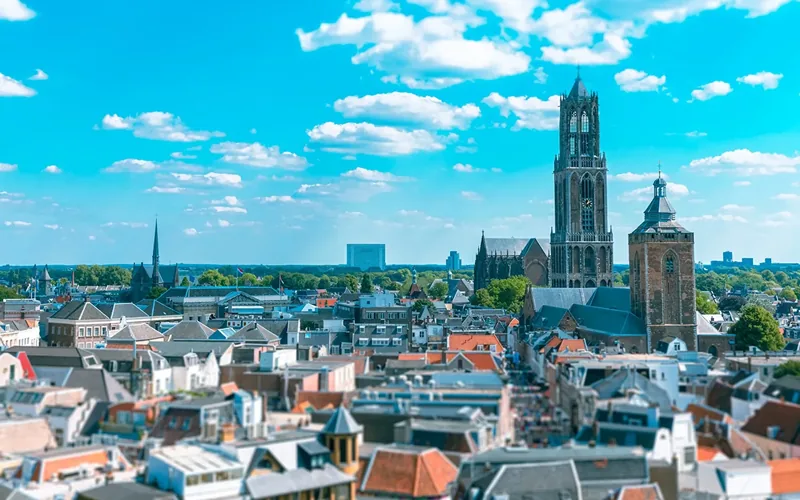
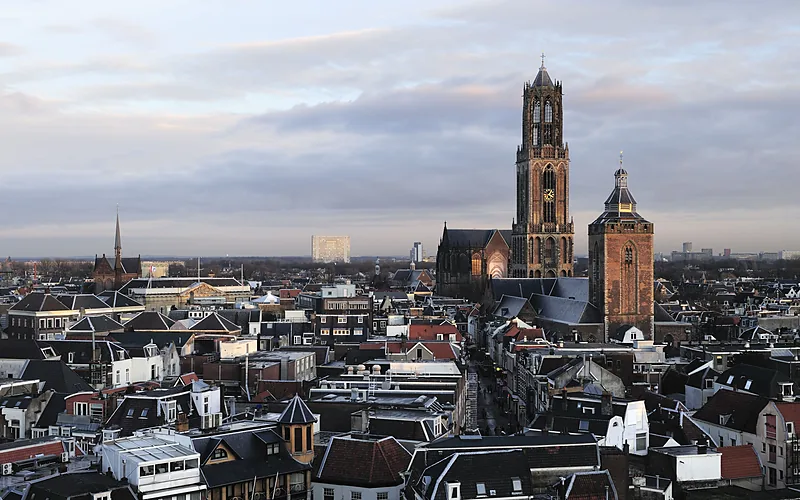
Hosted at the International Campus of Utrecht University from 1–3 May 2026, URUMUN offers not only a high-quality academic experience but also a welcoming and enriching conference environment. Delegates can look forward to provided lunches, a conference goodie bag, and a range of social activities outside of committee sessions, including a guided walking tour through the historic city of Utrecht.

URUMUN 2026 aims to combine serious debate with memorable experiences, bringing together passionate young leaders to learn, connect, and contribute to a safer and more cooperative world.

Committees

  • 15 countries
    1. The Situation in Haiti: Addressing Gang Violence and State Collapse
    2. Maritime Security in the South China Sea
    • Mohamed Qassem

    United Nations Security Council (UNSC)

    Expert · English · 15 countries

    Topics

    1. The Situation in Haiti: Addressing Gang Violence and State Collapse
    2. Maritime Security in the South China Sea

    About the committee

    The United Nations Security Council (UNSC) will address two pressing crises that pose serious threats to international peace and security. The first topic, The Situation in Haiti: Addressing Gang Violence and State Collapse, examines the escalating instability in Haiti. Armed gangs have expanded their control over large parts of the capital, undermining state authority and contributing to widespread violence, displacement, and humanitarian suffering. Political uncertainty and weakened institutions have further limited the government’s ability to restore order. Delegates will explore how the international community can support security sector reform, strengthen governance, protect civilians, and provide humanitarian assistance — while carefully respecting Haiti’s sovereignty and long-term self-determination. The second topic, Maritime Security in the South China Sea, focuses on rising geopolitical tensions in the South China Sea, a region vital to global trade and economic stability. Overlapping territorial claims — particularly between China and the Philippines — have increased diplomatic friction and military activity. The militarization of disputed areas and challenges to freedom of navigation raise concerns about potential escalation. Delegates will consider how the UNSC can promote dialogue, reinforce international law, reduce the risk of armed conflict, and encourage cooperative mechanisms that preserve regional stability. Within the UNSC, delegates are expected to balance national interests with collective security, developing practical and diplomatic solutions that uphold international law while preventing further instability.

    Chair

    Countries

    How this committee type works
  • 16 countries
    1. Human Rights Violations in Counterterrorism Operations in the Sahel
    2. Digital Surveillance and Political Repression

    • Floranne Keulen
    • Jadon de Heer

    United Nations Human Rights Council (UNHRC)

    Intermediate · English · 16 countries

    Topics

    1. Human Rights Violations in Counterterrorism Operations in the Sahel
    2. Digital Surveillance and Political Repression

    About the committee

    The United Nations Human Rights Council (UNHRC) will address two critical challenges at the intersection of security and fundamental freedoms. The first topic, Human Rights Violations in Counterterrorism Operations in the Sahel, focuses on the complex security situation in countries such as Mali, Burkina Faso, and Niger. While governments in the region are combating extremist groups, reports have emerged of unlawful detentions, extrajudicial killings, and harm to civilians. Delegates will debate how counterterrorism operations can remain effective while fully respecting international human rights law, ensuring accountability, and strengthening civilian protection mechanisms. The second topic, Digital Surveillance and Political Repression, examines the increasing global use of spyware, facial recognition technologies, and online monitoring tools. In various regions of the world, such technologies have been used to track political opponents, journalists, and activists. Delegates will explore how to balance national security concerns with the protection of privacy, freedom of expression, and democratic principles, while considering the need for international standards and oversight mechanisms. Within this committee, delegates are expected to engage in principled yet pragmatic debate, proposing solutions that safeguard both security and fundamental human rights in an increasingly complex global landscape.

    Chairs

    Countries

    How this committee type works
  • 16 countries
    1. Strengthening Global Vaccine Distribution After COVID-19 and for Future Pandemics
    2. Combating Antimicrobial Resistance (AMR) in Developing and Developed Countries
    • Paramie Vidarshana Undupitiya Gamage

    World Health Organization (WHO)

    Beginner · English · 16 countries

    Topics

    1. Strengthening Global Vaccine Distribution After COVID-19 and for Future Pandemics
    2. Combating Antimicrobial Resistance (AMR) in Developing and Developed Countries

    About the committee

    The World Health Organization (WHO) will address two urgent and interconnected global health challenges that continue to shape international cooperation. The first topic, Strengthening Global Vaccine Distribution After COVID-19 and for Future Pandemics, focuses on the inequalities and weaknesses in global vaccine access that became evident during the COVID-19 pandemic. Delegates will examine how the international community can improve cooperation, expand local production capacities, enhance technology sharing, and strengthen healthcare systems to ensure faster, fairer, and more effective vaccine distribution during future global health emergencies. The second topic, Combating Antimicrobial Resistance (AMR) in Developing and Developed Countries, addresses the alarming rise of drug-resistant infections worldwide. The misuse and overuse of antibiotics in healthcare and agriculture have reduced the effectiveness of life saving medicines. Delegates will discuss strategies to promote responsible antibiotic use, invest in research and development of new treatments, improve surveillance systems, and strengthen international coordination to prevent a global health crisis. Within this committee, delegates are expected to propose realistic, policy-oriented solutions that reflect both national interests and the shared responsibility of protecting global public health.

    Chair

    Countries

    How this committee type works
  • 15 countries
    1. Climate Change and Conflict in the Horn of Africa
    2. Rising Sea Levels & Small Island States

    • Eirini Liaropoulou

    United Nations Environment Programme (UNEP)

    Beginner · English · 15 countries

    Topics

    1. Climate Change and Conflict in the Horn of Africa
    2. Rising Sea Levels & Small Island States

    About the committee

    The United Nations Environment Programme (UNEP) will address two urgent environmental challenges that directly impact global stability and human security. The first topic, Climate Change and Conflict in the Horn of Africa, explores how extreme droughts and environmental degradation have intensified food shortages, displacement, and tensions in countries such as Somalia and Ethiopia. Climate change has acted as a threat multiplier, increasing competition over water, land, and resources. Delegates will examine how regional cooperation, climate adaptation strategies, and international support can reduce instability and strengthen resilience in vulnerable communities. The second topic, Rising Sea Levels and Small Island States, focuses on the existential threat faced by island nations such as Tuvalu and the Maldives. Rising sea levels endanger territory, infrastructure, freshwater supplies, and even national sovereignty. Delegates will discuss climate adaptation measures, international climate financing, legal protections for displaced populations, and the broader question of global responsibility in addressing environmental displacement. Within UNEP, delegates are expected to develop forward-looking and cooperative solutions that reflect the shared responsibility of protecting both the environment and international peace.

    Chair

    Countries

    How this committee type works

More MUN conferences

ConferencesNetherlandsURUMUN 2026