SPLIMUN 2026

Sciences Po Lille International Model United Nations

Mar 13–15, 2026 Lille, France

Sciences Po Lille International Model United Nations

Conference

Lille, France·Europe

Mar 13–15, 2026

350 delegates expected

High school and university students

In English

How it went

4.24114 ratings from delegates
Academics
4.54
Logistics
4.08
Socials
4.12

About

Intersectionality: marginalization of minorities and modernizing international relations.

What is SPLIMUN ? 📍​

SPLIMUN is one of the largest MUN conferences in Europe: gathering over 300 delegates around heated debates on modern topics! This year, throughout March 13th - 15th, you can participate in a 3-day-long diplomatic event in Sciences Po Lille, France, where you could potentially meet your future co-delegate or your worst nightmare in a suit and tie, who knows? ​​👔​


What is our theme this year? ​​​⚙️​

In 1989, professor and jurist Kimberlé Crenshaw, coined the term “ Intersectionality ”. Today, the world remains an environment where discrimination continues to shape lives: whether based on gender, ethnicity, religion, sexual orientation, disability, climate change, economic inequality…. These realities increasingly intersect, overlap, and reinforce each other, which makes intersectionality an essential lens for understanding and addressing systemic inequalities. Do not confuse it as simply the sum of discriminations, but take the time to truly understand how contemporary challenges are interconnected.

This theme is especially meaningful to us because we believe MUNs can be a powerful tool to shape the next generations of engaged citizens. Thus, letting delegates reflect on discrimination allows them to analyze these challenges in depth, while empowering the youth through acknowledgment and sincere connections. ​🫂​


Our mission is clear: to contribute, in our own way, to building a fairer, more equal world. We hope SPLIMUN 2026 will inspire delegates to go beyond well-worn narratives and develop ambitious proposals to tackle injustices.

Our expectations? A conference marked by intellectual rigor, diverse exchanges, and genuine openness. Above all, we want SPLIMUN 2026 to be a space of dialogue, encounter, and learning: an experience that will leave a lasting impact on all who play a role. ​​​💫​


This year, we celebrate the progress made toward inclusivity and ask delegates to address an urgent issue: How can international relations be rebuilt around a fair, equal, and true diversity?


APPLICATIONS ARE NOW OPEN - All the things you have to know!! ​​​​📝​

  • You can apply as an individual delegate or form a delegation, with a head delegate or faculty advisor. 
  • Choose the committee(s) and position(s) that interest you most!
  • You must pay your delegation fee to be accepted and assigned a committee ⚠️🚨
  • Please read carefully and agree to our charter of good conduct and discrimination prevention
  • For minors: an image rights authorization (available in mymun in the ‘documents’ section and in our Instagram bio) has to be sent to splimun@outlook.com 
  • For scholarship holders: a document justifying your scholarship will be necessary
  • Socials are included in the delegate fees as well as the meals (coffee breaks and lunch on Saturday and Sunday)
  • High School students are only eligible to Beginner-friendly committees
  • The African Union committee is only available for High School students

    Please note that we only reimburse participants up to 2 weeks before the event ​​​💰​
     

The socials? ​​🥂​

Shhhhh… Our socials are still secret for now, but in the near future, we’re hoping to see you on the dancefloor and raising a glass to your new coalitions! 


6th edition: 6 times more fun, 6 times more learning, and 6 times more souvenirs ​​🇺🇳​

Committees

  • 54 countries
    1. Déconstruire les facteurs socio-économiques et systémiques à l’origine des réseaux de prostitution féminine internationaux à l'ère du numérique.
    2. Intégrer les expériences des femmes dans les négociations d'après-guerre et les processus de reconstruction.

    • Anna Bardon
    • Souha Tlili
    • Coline Delorme

    French Speaking Committee: Commission on the Status of Women (CSW)

    Beginner · English · 54 countries

    Topics

    1. Déconstruire les facteurs socio-économiques et systémiques à l’origine des réseaux de prostitution féminine internationaux à l'ère du numérique.
    2. Intégrer les expériences des femmes dans les négociations d'après-guerre et les processus de reconstruction.

    About the committee

    Créée en 1946, la Commission de la condition de la femme est dédiée à la promotion de l’égalité des genres et à l’autonomisation des femmes et des filles à l’échelle mondiale. Ce comité met l’accent sur l’intersectionnalité en analysant la manière dont les discriminations de genre sont aggravées par des facteurs tels que la race, la classe sociale, le handicap, la nationalité, les situations de conflit ainsi que l’accès à l’éducation et aux soins de santé, encourageant ainsi les délégués à proposer des solutions politiques inclusives et transformatrices.

    Chairs

    Countries

    How this committee type works
  • 18 countries
    1. Proposing a peace plan scheme to address the refugee crisis without compromising the ASEAN principle of non-interference.
    2. Addressing the multilayered vulnerabilities of migrant workers: improving labour rights and social protection.

    • Gabriel Guerreau
    • lily travail

    Association of Southeast Asian Nations (ASEAN)

    Beginner · English · 18 countries

    Topics

    1. Proposing a peace plan scheme to address the refugee crisis without compromising the ASEAN principle of non-interference.
    2. Addressing the multilayered vulnerabilities of migrant workers: improving labour rights and social protection.

    About the committee

    Founded in 1967, ASEAN seeks to promote regional peace, economic cooperation, and sociocultural development among Southeast Asian nations. In this committee, delegates address issues such as regional security, labor migration, environmental sustainability, and economic integration, while considering how diverse political systems, cultural identities, and levels of development intersect within the region.

    Chairs

    Countries

  • 54 countries · 2 delegates each
    1. Bridging the gap: integrating people-centered, gender-responsive and youth-inclusive climate resilience strategies into Africa’s sustainable modernization efforts.
    2. Agenda 2063: integrating marginalized groups in the African digital modernization in local and regional politics.
    • Loan Cartry
    • Dangla Chloée
    • Simon Gailliot

    Double Delegation: African Union General Assembly (AU-GA) - High School Committee

    Beginner · English · 54 countries · 2 delegates each

    Topics

    1. Bridging the gap: integrating people-centered, gender-responsive and youth-inclusive climate resilience strategies into Africa’s sustainable modernization efforts.
    2. Agenda 2063: integrating marginalized groups in the African digital modernization in local and regional politics.

    About the committee

    Founded in 2002 as the successor to the Organization of African Unity, the African Union aims to promote peace, security, unity, and sustainable development across the African continent. In this committee, delegates engage with issues such as armed conflict, economic development, public health, climate change, and governance, while recognizing how colonial legacies, ethnicity, gender, and socioeconomic inequality intersect to shape policy challenges and outcomes within African states.

    Chairs

    Countries

    How this committee type works
  • 33 countries
    1. 1983 - 1984: Severe drought in the Sahel.

    • Sofiia Zakrasniana
    • Julie Sfeir

    Historical - United Nations Environment Programme (UNEP)

    Intermediate · English · 33 countries

    Topic

    1983 - 1984: Severe drought in the Sahel.

    About the committee

    Established following the 1972 Stockholm Conference on the Human Environment, UNEP became the UN’s leading environmental authority. This historical committee places delegates in a past context where environmental awareness was emerging but unevenly prioritized. Delegates must consider how environmental protection intersects with economic growth, political power, and social inequality, all while operating within the scientific knowledge, diplomatic norms, and geopolitical limitations of the era.

    Chairs

    Countries

    How this committee type works
  • 50 countries
    1. International response to the Syrian Refugee Crisis: procurement trends in the security industry and the instrumentalisation of irregular migration.
    2. Hybrid Warfare and threats to European regional security: Use of proxies and armed non-state actors in the Russia-Ukraine War;
    • Mitchidmaa Natsag
    • Arya Uday Kumar Shetty

    Disarmament and International Security Committee (DISEC)

    Intermediate · English · 50 countries

    Topics

    1. International response to the Syrian Refugee Crisis: procurement trends in the security industry and the instrumentalisation of irregular migration.
    2. Hybrid Warfare and threats to European regional security: Use of proxies and armed non-state actors in the Russia-Ukraine War;

    About the committee

    As the First Committee of the UN General Assembly, DISEC addresses issues related to global peace, arms control, and international security. Delegates debate topics such as weapons proliferation, terrorism, cyber warfare, and militarization, examining how security policies intersect with human rights, economic disparities, technological access, and regional instability in an increasingly interconnected world.

    Chairs

    Countries

    How this committee type works
  • 12 countries · 2 delegates each
    1. Avoiding "green colonialism": for a fair energy transition in the Global South.
    • Clothilde Doublet
    • Sasha Sanchez

    Double Delegation: BRICS+

    Intermediate · English · 12 countries · 2 delegates each

    Topic

    Avoiding "green colonialism": for a fair energy transition in the Global South.

    About the committee

    The BRICS+ committee represents a growing coalition of emerging economies aiming to strengthen South-South cooperation and reform global economic governance. Delegates explore topics including development financing, trade, global inequality, and geopolitical influence, analyzing how economic growth intersects with social equity, political power, and global development disparities in a multipolar international system.

    Chairs

    Countries

  • 26 countries
    1. Resolving the two Libya: finding a solution to have a united Libya with a single government recognised by all Arab countries and the wider international community.
    2. Reclaiming the Arab Narrative: media, culture, and representation.
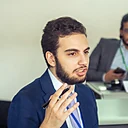
    • Ibrahim Bechara
    • Mariem Ben Meftah

    Arab League

    Expert · English · 26 countries

    Topics

    1. Resolving the two Libya: finding a solution to have a united Libya with a single government recognised by all Arab countries and the wider international community.
    2. Reclaiming the Arab Narrative: media, culture, and representation.

    About the committee

    Established in 1945, the Arab League aims to strengthen cooperation and solidarity among Arab states. This committee addresses regional conflicts, development challenges, and social issues, emphasizing how shared language and culture intersect with political diversity, economic inequality, religious identity, and historical experiences in shaping collective action.

    Chairs

    Countries

    How this committee type works
  • 20 countries
    1. Weaponising identity: use of religious and ethnic divides in proxy war - the Sudan case.

    • Valentina Lopez
    • Amna sikandar

    United Nations Security Council (UNSC)

    Expert · English · 20 countries

    Topic

    Weaponising identity: use of religious and ethnic divides in proxy war - the Sudan case.

    About the committee

    The UNSC is the UN’s most powerful body, charged with maintaining international peace and security through binding resolutions, sanctions, and peacekeeping operations. Delegates confront high-stakes crises where conflict intersects with humanitarian law, political legitimacy, economic instability, and civilian protection, while navigating veto power, alliances, and global power dynamics.

    Chairs

    Countries

    How this committee type works
  • 12 countries
    1. The siege of Troy: the 10th year.
    • Gaëlle Roy
    • Sasha Briec

    Crisis: Achaean Supreme War Council

    Expert · English · 12 countries

    Topic

    The siege of Troy: the 10th year.

    About the committee

    Nine years of war. Thousands dead. No victory in sight. The longest siege in history is reaching its breaking point. In the Greek camp, supplies are running low and alliances are fracturing. Behind the impregnable walls of Troy, King Priam sees his people starving, his allies weary, and his sons dying one by one. But what mortals don't know is that their fate is also being played out on Mount Olympus. The gods manipulate, betray, protect, and destroy, each pushing their mortal pawns toward victory or ruin. The question is no longer “who will win” but “at what cost” and who will really decide: the heroes or the gods?

    Chairs

    Countries

    How this committee type works
  • 10 countries
    1. Covering the debates in committees by respecting the editorial line of your media.
    2. Lead interviews and press conferences in committees.
    3. Publish articles and breaking news to catch the touching moments of SPLIMUN 2026.
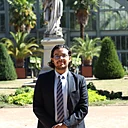
    • Mamoun Benseddik
    • Monika Bragado

    Press Corps

    English · 10 countries

    Topics

    1. Covering the debates in committees by respecting the editorial line of your media.
    2. Lead interviews and press conferences in committees.
    3. Publish articles and breaking news to catch the touching moments of SPLIMUN 2026.

    About the committee

    The Press Corps represents the role of journalism and media in shaping international discourse and accountability. Delegates act as reporters covering committee debates, analyzing how information, representation, bias, and access intersect with power, public opinion, and policymaking, influencing both delegate behavior and conference dynamics.

    Chairs

    Countries

    How this committee type works

Past editions

  • 4editions since 2023
  • 4.29 average of 451 ratings
  • 4+in every rated edition

Partner conferences

LIMUN 2026
London, United Kingdom

View conference
MainMUN 2026

Frankfurt am Main, Germany

View conference
SIMUN 2026

Paris, France

View conference
HKBUMUN 2026

Hong Kong, Hong Kong SAR China

View conference
LyonMUN 2026

Lyon, France

View conference
PIMUN 2026

Paris, France

View conference

Organizers

Aïdan Garcia
USG for Delegate Affairs
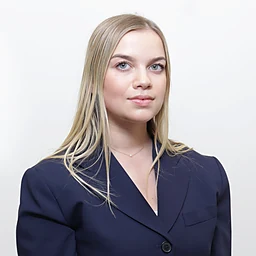
Amandine Chabrier
USG for Academics
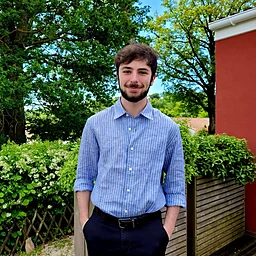
Arthur Bossard
USG for Fundraising
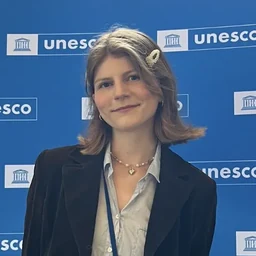
Charlotte Bonnefoy
USG for Crisis
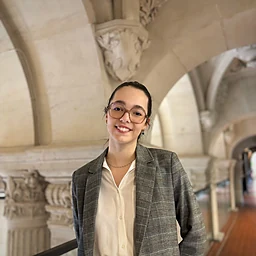
Clara Lallemand
USG for Socials

Clémence Cain
USG for Finance

Cléo Mallet
USG for Communication
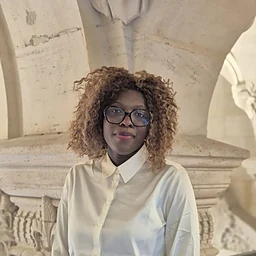
Efe Edoh
USG for Hospitality
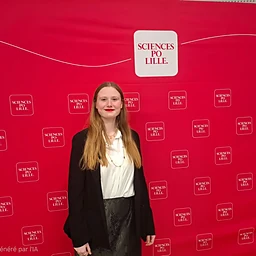
Flore Minet
USG for Delegate Affairs
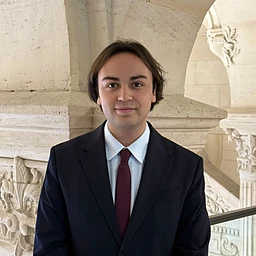
Laïs Vansteenkeste
USG for External Relations
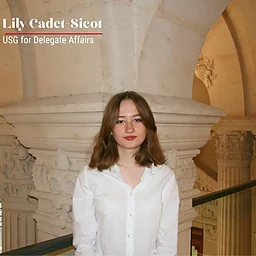
Lily Cadet-Sicot
Deputy Secretary General
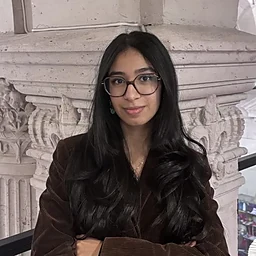
Lu-Hanne Tran
USG for Equity
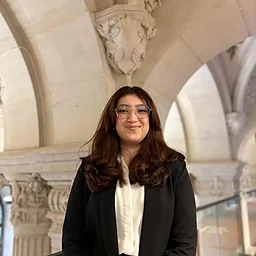
Salma Fadhloun
Secretary General

Seweryn Nowak
USG for Academics
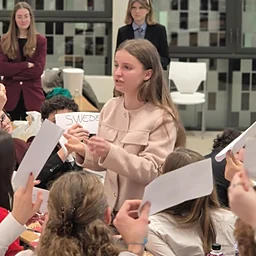
Soline Favé
USG for External Relations
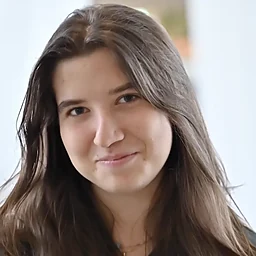
Victoire Eugene Palka
USG for Academics
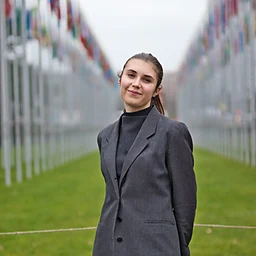
Zoé Balléry
USG for Communication

More MUN conferences

ConferencesFranceSPLIMUN 2026