About
The Age of Asymmetry: Vulnerability and Power in an Unequal Order
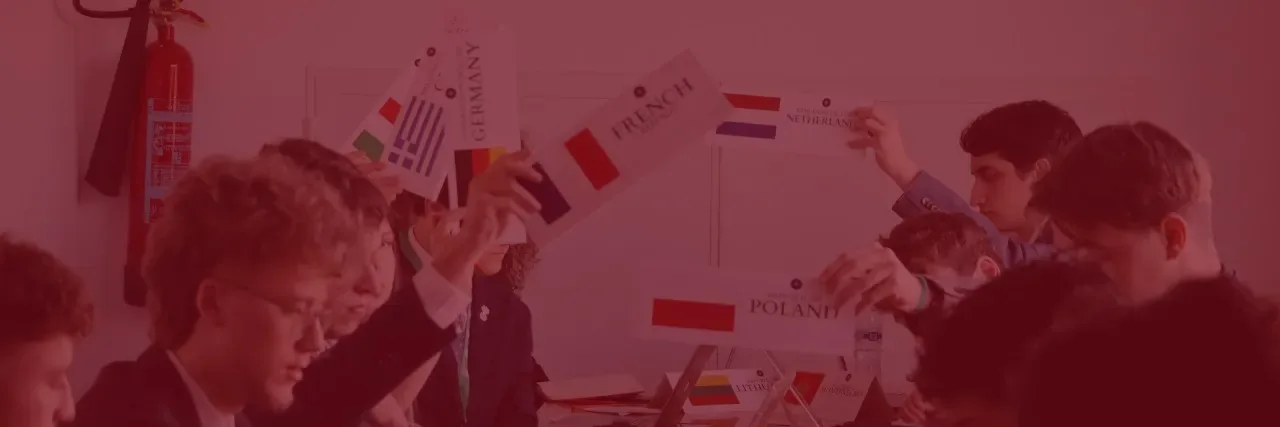
Welcome to the 18th edition of the Model United Nations of the University of Salamanca (MUNUSAL)!
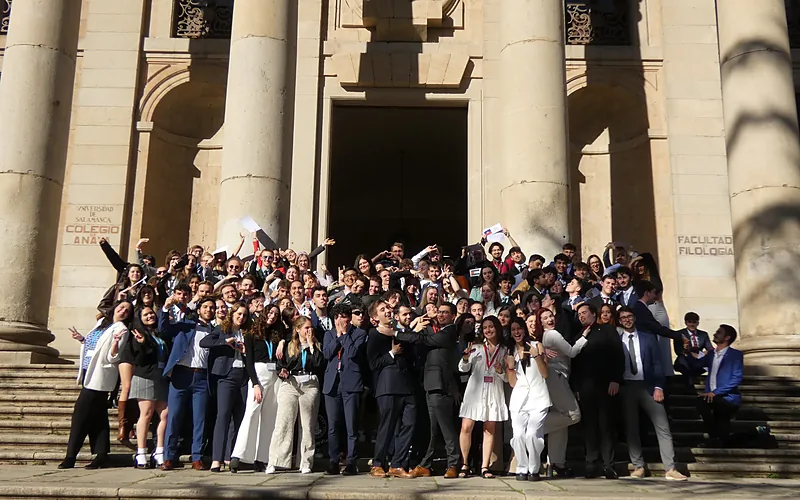
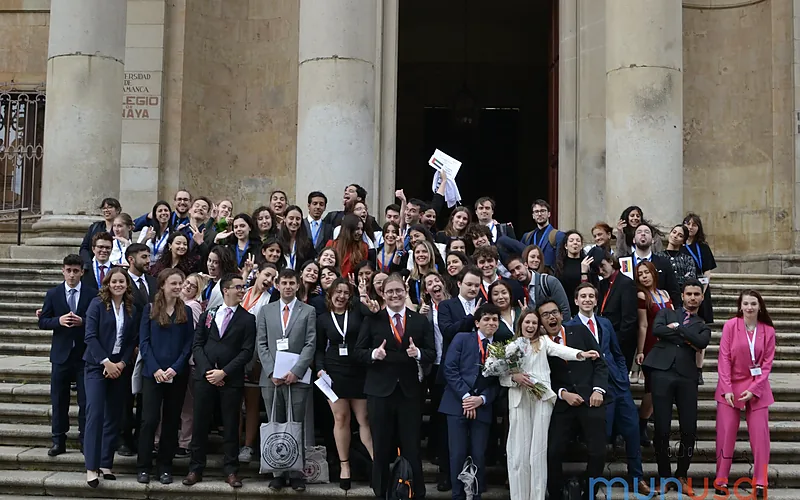
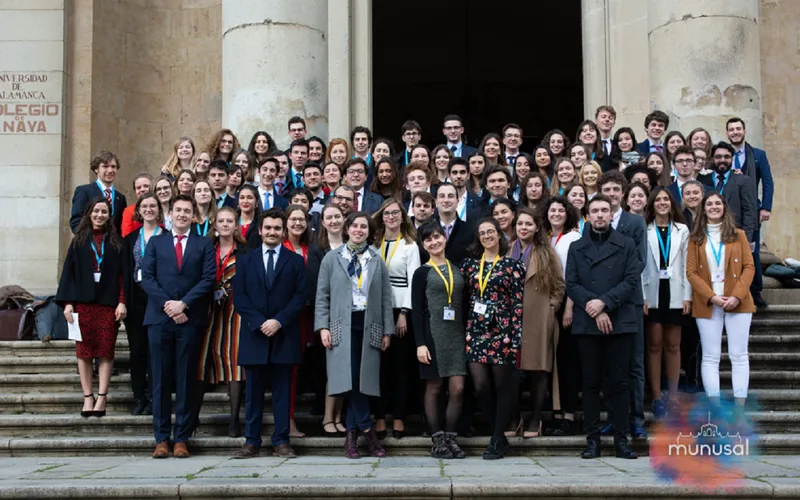
Our Conference takes place at the university of Salamanca, the oldest university in Spain and the fourth oldest educational institution in Europe. Steeped in centuries of history, its halls have witnessed some of the greatest intellectual debates in the world, and during MUNUSAL, they will once again be filled with discussions on diplomacy, cooperation, and global affairs. The Cultural and Youth Association MUNUSAL was founded to bring together students from Salamanca and beyond into the world of diplomacy and the international MUN community. Over the years, our association has proudly represented Salamanca in prestigious models such as BerlinMUN, PoziMUN, MIMUN, KULMUN, LISBOMUN, BIMUN, MALTMUN, among many others.
Our theme for this year's conference is “The Age of Asymmetry: Vulnerability and Power in an Unequal Order”. In an increasingly fragmented and multipolar world, power is unevenly distributed. The global order systematically protects the interests of the most powerful actors while marginalizing vulnerable populations. Asymmetries in access to protection, visibility, resources, and one’s political voice have become not only visible but also normalized. This theme seeks to explore the fault lines of inequality embedded in international governance and challenge delegates to think beyond traditional diplomacy, where, through innovation, the status quo can and should be confronted. Through the lens of vulnerability and power, MUNUSAL 2026 invites delegates to confront uncomfortable truths. Delegates should question why distinctions are made, get to the root of the issue, and work collectively on solutions to phase out this asymmetry, attempting to reach an equilibrium, as much as possible to safeguard rights, beliefs, and values for all, not the select few.
Ultimately, delegates should reach answers on how they can provide solutions with the intention of reaching a conclusion to start phasing out the Age of Asymmetry, towards a better Age, one, which while still recognising individuality and sovereignty, considers all peoples, nations, and ideologies.
For our 18th edition, we are proud to present seven committees: for those just beginning in the wonderful world that are the MUNs, we offer our two beginner committees Alto Comisionado de las Naciones Unidas para los Refugiados (ACNUR), which will be conducted in Spanish, and the United Nations Office for Disarmament Affairs (UNODA), which will be held in English. Our two intermediate committees for MUNUSAL 2026 are the committee in Spanish, la Comunidad de Estados Latinoamericanos y Caribeños (CELAC) and our English one, the United Nations Framework Convention on Climate Change -Conference of the Parties (UNFCCC-COP). For the more advanced delegates, we offer the Council of the European Union (EuCo), in English. Finally, for those who prefer writing over debating, we yet again have our Press committee The Globe and Crisis. Each of the committees offers a unique space to engage with global issues, ensuring there is a place for every delegate, from first-timers to seasoned MUN veterans.
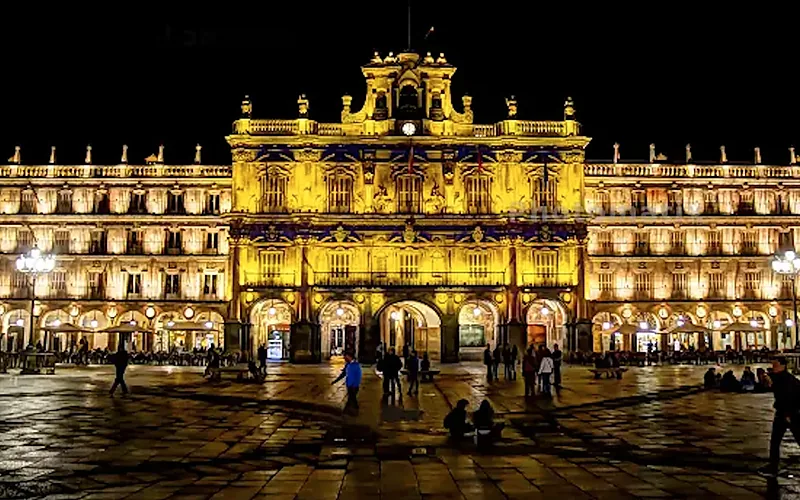
Beyond debate, Salamanca itself makes MUNUSAL a truly unforgettable experience. Known for its golden sandstone architecture, vibrant student life, and cultural richness, the city invites you to explore its historic streets, discover its lively atmosphere, and enjoy everything it has to offer.
We cannot wait to welcome you to Salamanca for MUNUSAL 2026!
Committees
The Office of the United Nations High Commissioner for Refugees (UNHCR) was created in 1950 by the UN General Assembly, with the initial mandate of assisting millions of Europeans displaced after World War II. What was initially meant to be a temporary mission has become a permanent endeavor: to protect and assist refugees, asylum seekers, internally displaced persons, and stateless people around the world. Today, UNHCR works in over 130 countries, partnering with governments, NGOs, and communities to secure basic rights, provide humanitarian assistance, and offer durable solutions such as resettlement or local integration. The High Commissioner, currently Filippo Grandi, leads the organisation from its headquarters in Geneva. At MUNUSAL 2026, UNHCR will be a beginner-level committee, conducted entirely in Spanish and designed for those who are new to Model United Nations.
 Daniel Cortés Meléndez
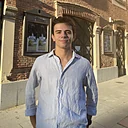 Víctor Prieto Antuña
Created in 1998, the UNODA builds on the UN’s decades-long work in arms control and non-proliferation. In recent years, shifting security landscapes have highlighted the need for renewed dialogue between Member States from every region of the world. UNODA promotes disarmament, strengthens agreements on weapons of mass destruction, and fosters transparency in conventional arms, working with governments and regional bodies to advance a safer, fairer international order. In MUNUSAL 2026, this beginner-to-intermediate English-speaking committee will invite delegates to reflect on cooperation and trust in a world shaped by growing asymmetries of power and vulnerability.
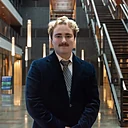 Benjamin Bjørn Lebeck
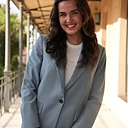 María de los Ángeles García
The UNFCCC-CoP at Intermediate level will serve as the scientific/technical Committee within the Conference. The issue of climate change results in disparities within regions and between States, for instance, Small Island Developing States (SIDS) and economic changes within regions, among other topics, creating vulnerabilities around the world. Delegates will be able to have detailed technical debates about current issues with the intention to create solutions related to goals and obligations under the Paris Agreement, particularly on mitigation, adaptation, and climate finance. This Committee would branch scientific knowledge and discovery with equitable solutions and science-informed recommendations for effective policy.
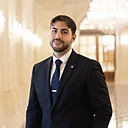 Michael Gatt
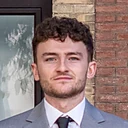 Tristan Scrimger
Established in 2010, CELAC is a regional organization comprising 33 countries from Latin America and the Caribbean, committed to fostering peace, cooperation, and integration. Unlike other specialized forums, CELAC is not confined to a single area of focus; rather, it serves as a platform to address a wide range of issues —political, social, economic, and security-related— affecting the region. In recent years, both global and local challenges have tested its capacity to act cohesively and to project a unified voice on the international stage. For MUNUSAL 2026, we have chosen to feature an intermediate-to-advanced Spanish-language committee, thus offering variety and ensuring there are options to suit all preferences. By engaging with CELAC, delegates can explore how strategic collaboration mitigates asymmetries to promote regional stability.
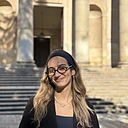 Beatrice Niero
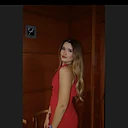 estefany rodriguez
The Council of the European Union (CoEU) is one of the main decision-making bodies of the European Union. Formally established in 1993 by the Maastricht Treaty, it is composed of the ministers of the 27 Member States. The CoEU combines legislative power, budgetary control, and a key role in the Union’s foreign and security policy. Thus, this committee provides an opportunity to tackle diverse issues, reflecting the multifaceted nature of European politics. At MUNUSAL 2026, the CoEU will be a space where delegates will test at the highest level their ability to balance opposing interests and challenge the unequal order that shapes international relations.
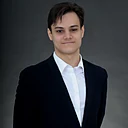 César Lázaro
 Irati Calvo
The MUNUSAL Crisis is an intense and dynamic experience that challenges delegates with urgent situations unfolding in parallel to regular debates. Crisis, not being a Committee on its own but rather working alongside the other Committees, involves participants from all committees, requiring quick thinking, coordination, and creativity. Crisis events, designed and presented by the Crisis Directors, may take multiple forms: news articles, intelligence updates, or verbal and visual interventions. Each delegate will have to face both the global crisis, which demands cooperation among committees, and the individual crises, focused on joint action within each body. At MUNUSAL 2026, the Crisis will be held in English, and both its adapted level of difficulty and its cooperative dynamics will ensure that all delegates can take part fully.
 Maximilian Arsenio Laub
The Globe is the beating heart of MUNUSAL’s press corps, offering journalists the chance to take on the role of international news outlets. The Globe will bring together representatives of various news portals, all converging in a common space: the Conference’s most important media platform and the central forum for journalistic activity. Journalists will cover debates across committees, investigate political strategies, and break major stories as they unfold. Their work may take multiple forms—articles, interviews, editorials, or breaking news updates—each contributing to the plural voice of the press and shaping the perception of events. Participants must exercise sharp analysis, creativity, and critical thinking, as their narratives will influence how the wider MUNUSAL community interprets global affairs. At MUNUSAL 2026, The Globe will be conducted in English and Spanish, ensuring inclusivity for all delegates. Step into the newsroom of diplomacy: where stories are written, opinions formed, and headlines change the course of the Conference.
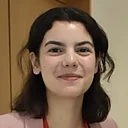 Lilo Asturias Orozco
 Valentina Gonzalo




Past editions
- 5editions since 2022
- 4.64 average of 155 ratings
- 4+in every rated edition
Partner conferences

 MaltMUN 2025
 EuroMUN 2025
 NEBRIJAMUN 2025
 TEIMUN 2025
 LISBOMUN 2023
 KULMUN 2026
 Salient 2025
 FREIMUN 2025
 MUNDay 2026
 Oxford MUN 2025
 UEMUN 2025
 KentMun 2024
Organizers
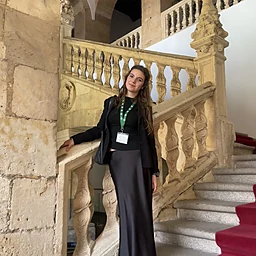
Beatriz G. Budiño
Bureaucracy
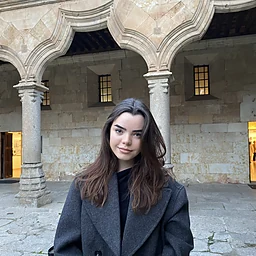
Carolina Merino Martín
Bureaucracy
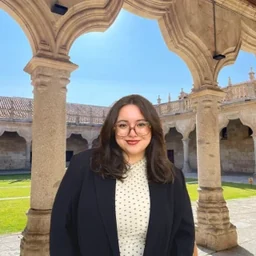
Gabriela Melián Valencia
Secretary
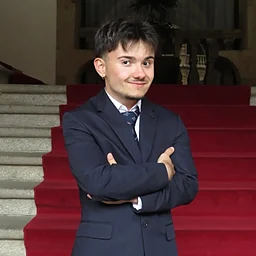
Luis Javier Poza Domínguez
Treasurer
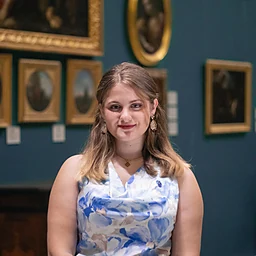
Marelaine Formosa
Deputy Secretary General
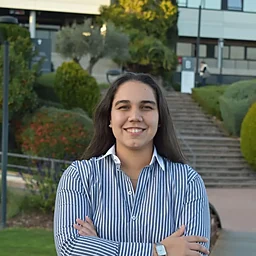
Sigrid Kallab Mathie
Secretary General
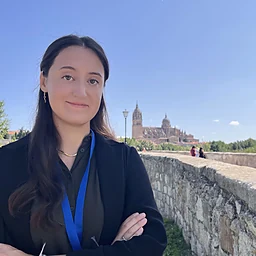
Sophia Pizano Sanchez
President
More MUN conferences
SpainMUN conferences in Spain EuropeMUN conferences in Europe April 2026MUN conferences in April 2026 University MUNMUN conferences for university students
ConferencesSpainMUNUSAL 2026