Conference
Rotterdam, Netherlands·Europe
May 27–29, 2026
150 delegates expected
High school and university students
In English
About
Democracy at the Crossroads: Governing in an Era of Fragmentation
Welcome to MUNROT 2026
Can Democracy Defend Itself?
Democracy is no longer an uncontested ideal. Once seen as the global default, it now operates under mounting pressure from within and beyond state borders. Disinformation campaigns, cyber warfare, foreign electoral interference, and rising populist nationalism are reshaping the international order. As geopolitical rivalry intensifies and alliances subtly shift, the world faces a critical dilemma:
Can democracy protect itself without undermining the very principles it stands for?
MUNROT 2026 explores this tension. Delegates will examine how democratic states respond to authoritarian influence, technological disruption, and internal polarization and whether the tools increasingly used in this struggle risk eroding democratic legitimacy itself. From digital surveillance and censorship to influence operations and information warfare, this conference challenges participants to rethink what democracy means in the 21st century.
About the Conference
The Model United Nations Rotterdam Conference (MUNROT) is organized by EFR, the official study association of the Erasmus School of Economics at Erasmus University Rotterdam.
📍 Date: May 27–29, 2026
🎤 Opening Ceremony Time:
🏛 Location:
MUNROT will bring together around 150 students from diverse academic and cultural backgrounds for three days of debate, negotiation, and diplomacy. The conference provides a platform for critical engagement with contemporary global challenges in a structured and realistic UN simulation.
Committees
MUNROT 2026 offers a carefully selected range of committees that place delegates at the heart of today’s most urgent global debates. From high-stakes security crises to humanitarian challenges and economic governance, each committee explores how democratic systems respond under pressure in an increasingly polarized world.
Delegates will confront issues such as cyber warfare and information manipulation, democratic self-determination in contested regions, the rise of populist nationalism, hybrid and economic warfare, and the protection of civil liberties in times of conflict. Across committees, participants are challenged to balance security, sovereignty, and democratic values while negotiating with states holding fundamentally different political visions.
With committees suited for beginner, intermediate, and expert delegates, MUNROT provides both an accessible entry point for newcomers and a demanding, fast-paced environment for experienced participants. Whether negotiating sanctions, responding to hybrid threats, or defending democratic institutions at home and abroad, delegates will engage in realistic, dynamic debates that reflect the complexity of modern international relations. It is important to be both knowledgeable about the topics discussed in the committees as well as being familiar with the rules and procedures of a MUN conference. Everyone is welcome, but it is important for beginners to make yourself familiar with the aforementioned beforehand, we as a committee are always there to help you out of course!
Academic Recognition
For students of the Erasmus School of Economics (ESE), participation in MUNROT is officially recognized within the Career Skills Programme, awarding 1 ECTS upon completion of the conference.
Location: Rotterdam
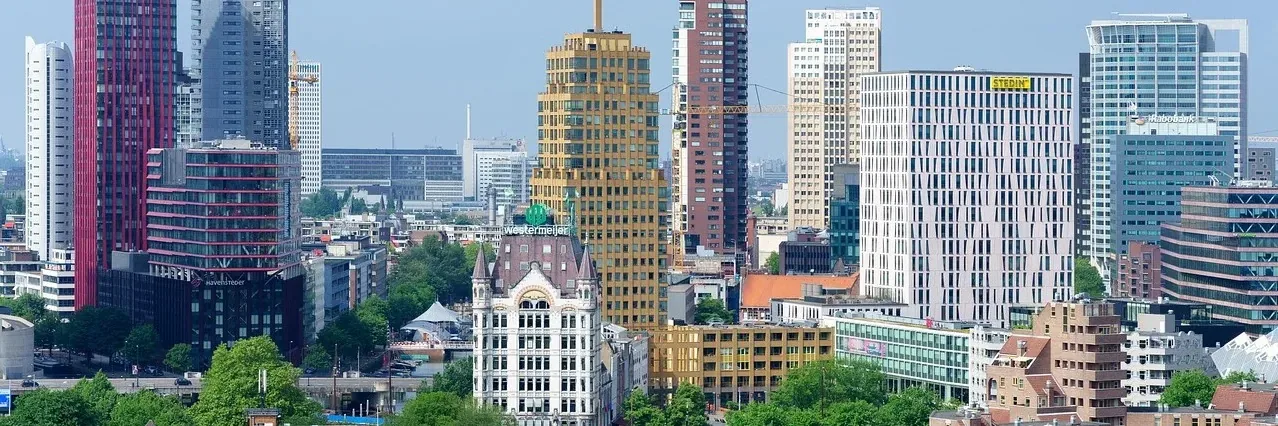
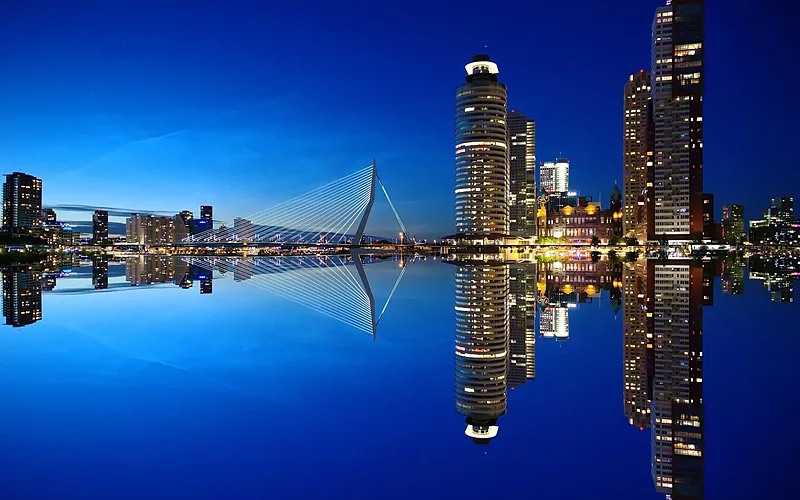
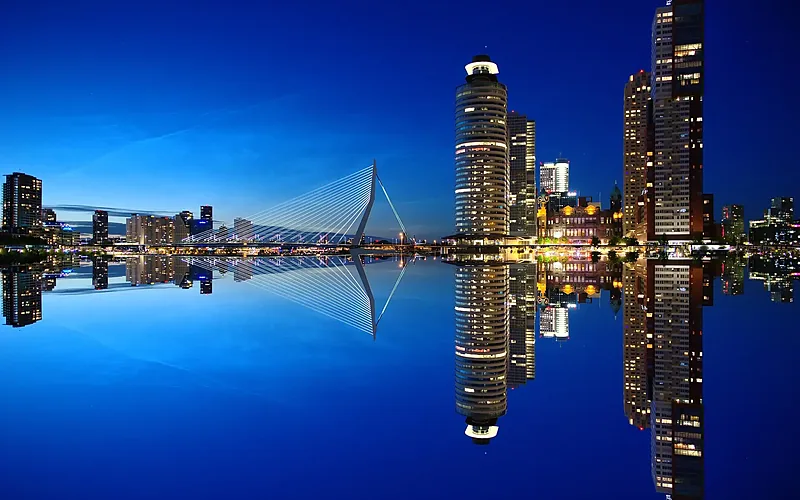
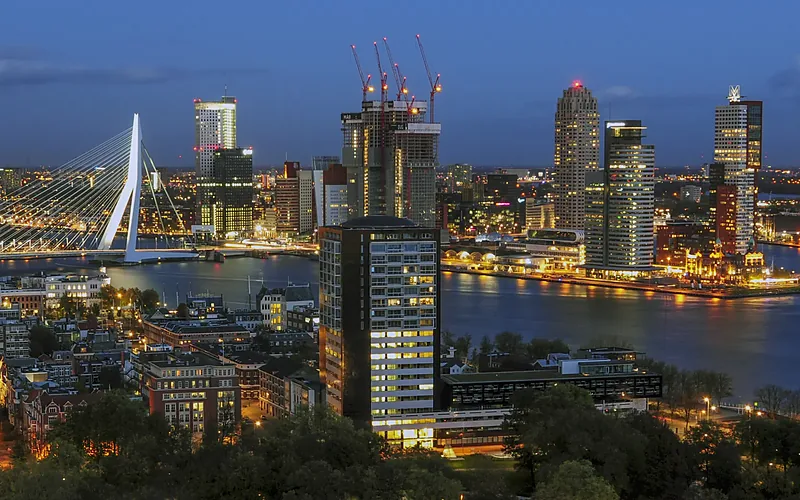
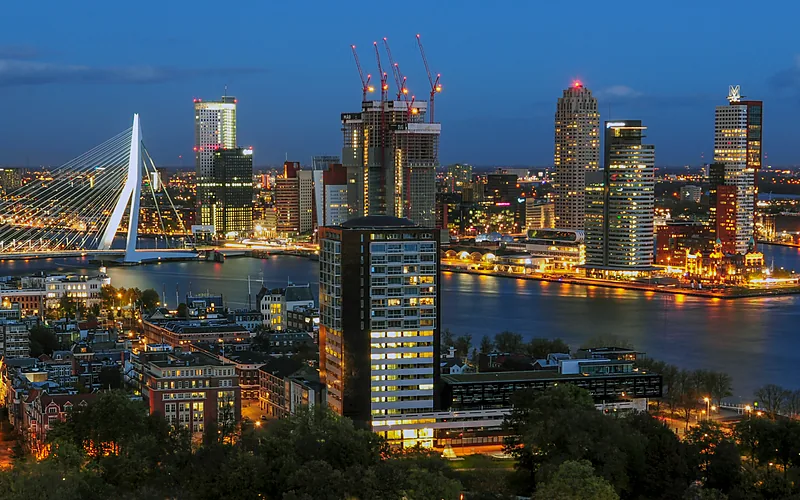
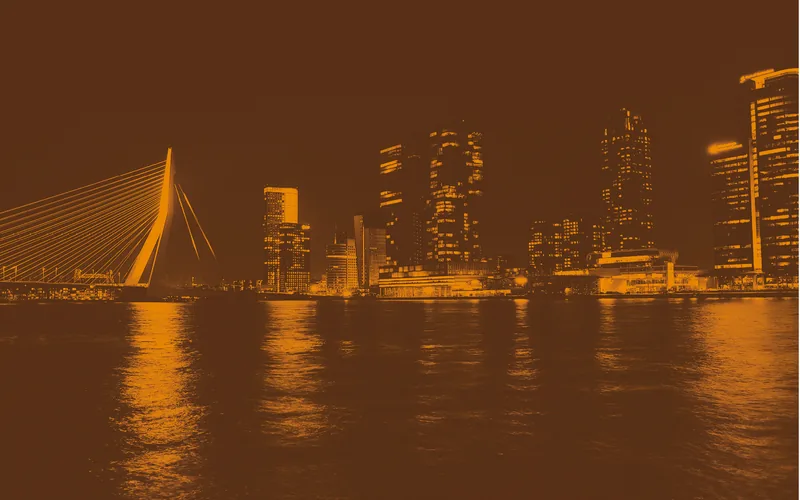
Rotterdam is one of Europe’s most international and dynamic cities. Known for its diversity, openness, and innovation, it serves as a fitting backdrop for a conference focused on the future of democratic governance and international cooperation.
Registration & Practical Information
🎟 Register now — one of the lowest participation fees for a MUN conference in the Netherlands
⚠️ Places are limited
- Country assignments take place after payment
- Early payment increases the likelihood of receiving your preferred country
- Tickets are non-refundable in accordance with EFR policy
- If you require a visa or invitation letter, please contact us before paying the participation fee
- Ticket Price for delegates is 35 Euros
- All participants should be at least 18 years old
📧 Contact: munrot@efr.nl
📸 Instagram: munrot2026
Committees
- Economic Coercion and Sanctions as Instruments of Democratic Protection and Geopolitical Pressure
- Preventing the Use of Armed Groups to Suppress Civil Liberties and Democratic Participation.
 Manas Kankarej
 Arsshiya A.S
- Cyber Warfare and the Militarization of Information: Establishing International Norms in an Unregulated Digital Battlespace
- Cross-Strait Tensions and the Future of Taiwan: Democratic Self-Determination, Security, and International Response Options
 Zain Ali Pasha
 Savio van de Wolfshaar
- Protecting Democratic Rights of Displaced Populations Amid Rising Populism
- Humanitarian Law, Security, and the Protection of Democratic Institutions in War-Torn States
 Nikoleta Karathanasi
 Alexandre Almeida
- The EU at a Democratic Crossroads: Responding to Populist Nationalism within Member States
- Fostering Democracy and Human Rights in EU's External Relations
 Lukáš Chládek
 Herdem Yaz Bölükbaşı
- The Weaponisation of Artificial Intelligence: Protecting Democratic Processes from Autonomous Threats and Digital Manipulation
- Safeguarding Democratic Governance from Economic Corruption, Illicit Financial Flows, and the Capture of Public Institutions
- David Orisko
 Florentine Michel
- Strengthening NATO’s Response to Hybrid Warfare: Confronting the Fusion of Cyber Operations, Information Manipulation, and Conventional Threats in the Digital Age
- Navigating Great-Power Competition in the High North: Addressing the Militarization of the Arctic and the Security Implications of Emerging Resource and Shipping Frontiers
- Mees van Nouhuys
 Robert-Valentin Vidrighin
Past editions
- 6editions since 2020
- 3.79 average of 127 ratings

 TICMUN 2026
Organizers
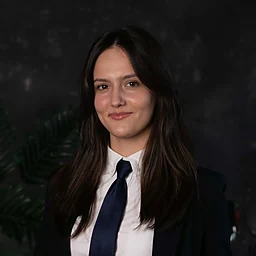
Andreea Creciun
Secretary-General
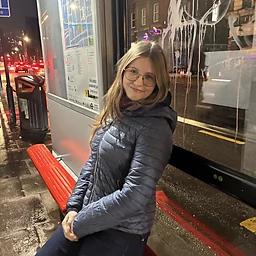
Karolina Kowalska
President of the General Assembly

Mechiche Alami M'hamed
Under-Secretary-General for External Affairs
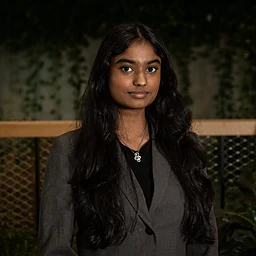
Srinidhi Batchu
President of the General Assembly
More MUN conferences
NetherlandsMUN conferences in Netherlands EuropeMUN conferences in Europe May 2026MUN conferences in May 2026 High school MUNMUN conferences for high school students University MUNMUN conferences for university students
ConferencesNetherlandsMUNROT 2026